






In The Spotlight
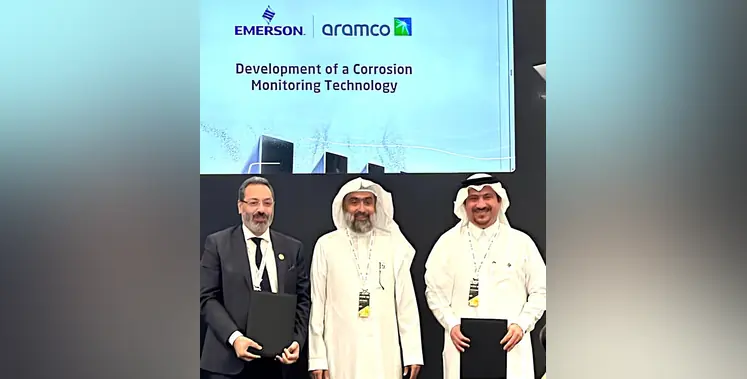
Aramco will combine its expertise and intellectual property with Emerson’s advanced corrosion solutions to digitalise and transform corrosion management. (Image source: Emerson)
Emerson has announced it will co-develop next-generation corrosion management solutions for Aramco
Corrosion management is a strategic priority for Aramco, tied directly to operational performance, safety and environmental responsibility. Continuous corrosion monitoring eliminates difficult, inefficient and dangerous manual corrosion measurements and provides a reliable digital data stream for improved decision making.
At the Middle East Metallurgy, Corrosion & Coatings (MECOC) Expo earlier this year, Aramco’s executive vice president of technical services, Wail A Al Jaafari said that Aramco has invested more than US$70mn in corrosion management technologies, achieving over US$770mn in cost savings and avoidance.
“AI-powered solutions are now anticipating corrosion before it happens, leveraging a cast network of IIOT sensors across our facilities and pipelines. These sensors provide more than 10mn corrosion-motoring readings annually across over 40 facilities,” he said.
Aramco’s Hybrid Statistical Corrosion Prediction Model, HySCorr, leverages 20 years’ worth of data, using machine learning and advanced flow and corrosion modelling to produce dynamic, predictive and more accurate monitoring of pipeline health, therefore protecting thousands of kilometres of pipelines.
As part of the corrosion research and development collaboration with Emerson, Aramco will combine its expertise and intellectual property with Emerson’s advanced corrosion solutions to digitalise and transform corrosion management. Emerson will provide its technology leadership in ultrasonic online corrosion monitoring technology; seamless wireless connectivity for corrosion wall thickness monitors, and real-time and continuous data collection to develop a fit-for-purpose corrosion management solution for Aramco processes.
“Emerson, with our complete technology stack, is uniquely positioned to co-innovate the next-generation corrosion monitoring solutions that are cost-effective, scalable and customised for Aramco,” said Ram Krishnan, chief operating officer for Emerson. “We look forward to working with Aramco to develop not only a corrosion solution for its vast operations, but one that will also be a valuable tool for many other industries.”
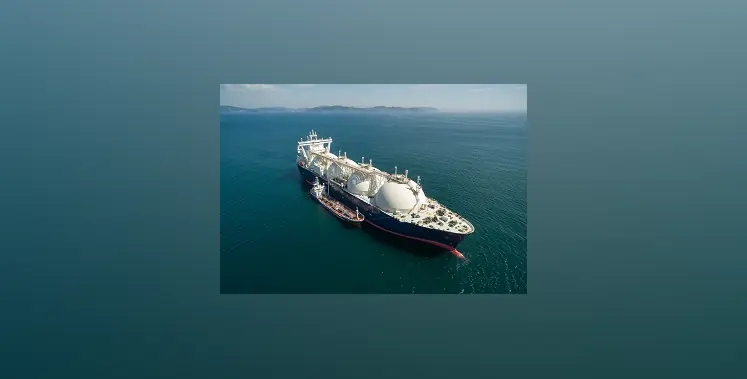
LNG investment is expected to more than double in 2026 compared with 2025. (image source: Adobe Stock)
Oil investment is set to decline for a third consecutive year, while natural gas investment is projected to rise to the highest level in a decade, according to the 2026 edition of the IEA’s annual World Energy Investment report
Despite higher oil prices, oil investment is expected to fall below US$500bn, as uncertainty over the duration of the price spike, long project lead times, supply chain constraints and tighter offshore rig markets limit spending outside the Middle East.
Global upstream investment is expected to rise marginally in 2026, with declines in the Middle East and North America offset by increases mainly in Central and South America and Africa, but new refinery investment is expected to fall to decade-level lows.
At the same time, natural gas investment is projected to rise to US$330bn, supported by a wave of new LNG export projects, particularly in the USA and Qatar. LNG investment is expected to more than double in 2026 compared with 2025 as more than 230 bcm of projects advance toward peak construction.
The report highlights that the impact of the conflict in the Middle East and the effective closure of the Strait of Hormuz is prompting countries and companies to reshape energy investment strategies with a focus on security and diversification, particularly in Asia and the Middle East.
The report projects that total global energy investment will reach US$3.4 trillion in 2026, a slight increase year-on-year. Around US$2.2 trillion is expected to go to grids, storage, low-emissions fuels, nuclear, renewables, efficiency and electrification in 2026, while around US$1.2 trillion is set to be invested in oil, natural gas and coal.
Electricity and diversification drive spending
Electricity and diversification are driving growth in energy spending with countries seeking to respond to the second energy crisis in five years with new routes and domestically available resources. There is a growing focus among fuel-importing countries on domestic energy sources including renewables, nuclear power and, in some cases, coal. Investment in renewable power projects is expected to total around US$665bn in 2026, with US$365bn going toward solar alone. Nuclear investment is continuing its resurgence, exceeding US$80bn annually, with close to 80 gigawatts of new nuclear capacity under construction across 15 countries.
Coal investment, meanwhile, is also set to rise to US$180bn in 2026, the highest level since 2012, with China accounting for almost 70% of global coal supply spending. The report notes that some Asian countries may seek to keep existing coal-fired power plants operating for longer to bolster energy security.
Electricity-related investment remains a dominant theme. Investment in electricity supply and infrastructure is expected to reach nearly US$1.6 trillion in 2026 with spending on electricity grids projected to approach US$550bn, up nearly 20% year-on-year, while battery storage investment is set to exceed US$100bn.
The electricity demands of the rapid expansion of data centres and artificial intelligence are also becoming a major influence on energy investment trends in some markets, particularly in the USA. Orders for new gas-fired power plants reached a 25-year high in 2025, with data centre needs playing a significant role.
The report highlights an increased focus on energy efficiency as a result of the crisis, although there are plenty of gaps that need to be filled.
The report notes that the Middle East conflict is impacting the availability of finance for future energy projects, triggering volatility within financial markets, slowing investment decisions in the short term and pushing up long-term financing costs. This could disproportionately affect capital-intensive energy technologies, the report warns, particularly in emerging and developing economies where financing costs are already significantly higher than in advanced economies.
“We are in the midst of the largest energy security crisis the world has ever faced – and I believe this will reshape investment strategies globally, with parallels to the major changes the energy world witnessed after the oil shocks of the 1970s,” said IEA executive director Fatih Birol. “We are already seeing intensified efforts by both producer and consumer countries to diversify trade routes and energy sources – such as advancing new pipelines and other supply infrastructure, on the one hand, and turning more to domestically available resources, on the other. These range from renewables and nuclear to coal, oil and gas, in some cases – as well as broader measures to strengthen electricity systems, expand electrification and accelerate energy efficiency.”
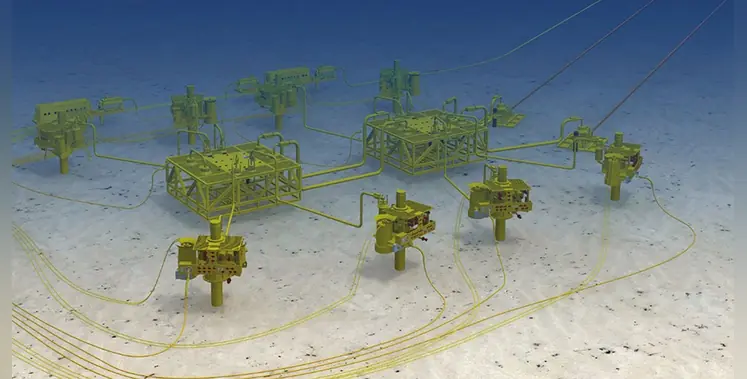
Wood will optimise the complex pipeline network. (Image source: Wood)
Consulting, engineering and operations provider, Wood, has been contracted by China Offshore Oil Engineering Company (COOEC) for QatarEnergy’s Bul Hanine EPIC2 project offshore Qatar
The contract secures scope for delivery of a detailed design for QatarEnergy’s Bul Hanine EPIC2 project offshore Qatar.
The field is characterised by a complex pipeline network to which Wood will find an optimised approach for boosted production capacity and extended asset lifetime, drawing on extensive subsea engineering and flow assurance expertise.
Wood will undertake the design of 25 pipelines, including ensuring safe interaction where pipelines cross existing infrastructure and managing thermal expansion to protect long-term integrity, alongside crossing analysis for 15 umbilicals and two power cables.
Gerry Traynor, regional president - Middle East, Africa & Caspian, at Wood, said, “Wood has a strong track record in delivering offshore detailed design and in optimising installation solutions for complex subsea systems. By working collaboratively with COOEC, we are bringing together complementary strengths that will help accelerate QatarEnergy’s ambition to extend the field’s life, increase capacity and boost production from these critical, ageing assets.”
Wu Zhixing, Deputy Director of COOEC Engineering Company, said, “COOEC is glad to be QatarEnergy's trusted partner for the Bul Hanine EPIC2 Project. This is an important milestone which will build on our continual strong track record in the industry, strengthens our presence and commitment to support the energy landscape in the Middle East, and a testament of COOEC's capability in delivering a trusted EPIC solution for mega offshore projects.”

Digitalisation and AI will create close to US$500bn in cumulative value for E&P companies between 2026 and 2030. (Image source: Adobe Stock)
Digitalisation and artificial intelligence (AI) will create around US$500bn in cumulative value for E&P companies between 2026 and 2030, according to new analysis from Rystad Energy, creating a huge market for digital solutions
Cost reductions from more efficient operations, production increases from higher uptime and increased recovery, and compressed development timelines contribute to this value creation. Exploration and production (E&P) companies currently investing in digital and AI are expected to capture an additional value of US$80bn per annum in 2030 compared to 2025.
The returns are already visible in the industry, Rystad notes. ADNOC reported US$500mn in AI-driven value already in 2023, and has committed US$1.5bn in digital capital expenditure targeting US$1bn in annual value creation. Norway’s Equinor generated around US$200mn in AI-related savings between 2021 and 2024, and reported US$130mn in 2025 alone.
The US$500bn value creation opportunity in upstream oil and gas encompasses four main workflow categories: asset development, operations and maintenance, exploration and reservoir development, and drilling, wells and production. Each is at a different stage of digital maturity. Digitalisation within exploration and reservoir development is relatively well established. Operations and maintenance is now seeing more rapid adoption, with predictive maintenance and remote operations delivering cost reductions. Subsurface workflows hold the largest untapped value potential, especially from getting more volumes out of the ground and reducing drilling costs. Some operators have, for instance, compressed seismic interpretation timelines from months to around 10 days.The early adopters of these technologies typically have digitalisation and AI as an integral part of their strategy.
Capturing the value at stake requires investment in digital tools, infrastructure and integration, and E&Ps are estimated to have spent around US$25bn on digital and AI purchases in 2025. The market for providing these tools and services is expected to grow by more than US$10bn by 2030, surpassing US$35bn in total annual market size and approaching US$50bn by 2035.
However, the main barrier to capturing this value is deployment at scale, says Rystad. Partnerships with suppliers and technology experts are increasing to reduce complexity, and simplify integration, typically through platform solutions. Traditional oilfield service (OFS) providers with domain expertise, and technology experts such as integrators or hyperscalers are among the most important partners for E&Ps, with the commercial model shifting from transactional service delivery towards integrated technology partnerships that can leverage an ecosystem of players, platforms and scalable tools.
AI is accelerating the value potential of digital solutions in oil and gas. Despite many breakthroughs, most current AI applications in upstream rely on traditional machine learning models trained on equipment and workflow-specific data, which takes years to accumulate, and models may require significant rework. Newer AI approaches may change this, for instance through agentic AI automating tasks and augmenting humans in a way that breaks down organisational silos and acting as a contextualising layer that functions across varied data types without full retraining.
Rystad puts forward a scenario where AI accelerates the value creation even further, with breakthroughs simplifying integration and compressing adoption timelines. This accelerated AI scenario would also require additional spending on digital solutions, and the value creation gap between early adopters and followers could widen even more.
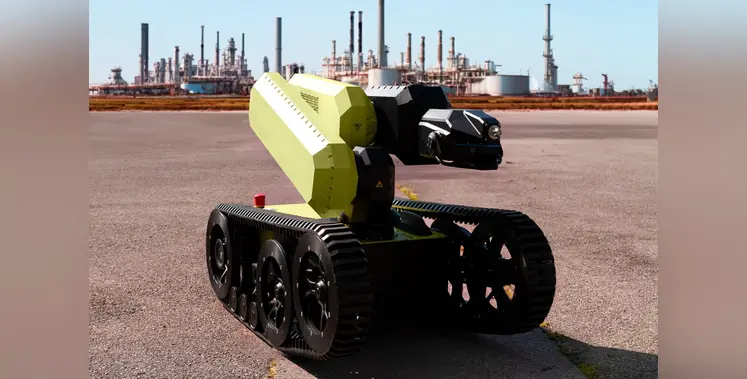
The robot is now carrying out routine inspections on site. (Image source: ADNOC)
ADNOC has successfully deployed Taurob’s heavy-duty inspector robot at its Taweelah Gas Compression Plant, where it will conduct autonomous inspections in hazardous environments without putting people at risk.
The robot acts as a first layer of surveillance to detect potential gas leaks, temperature anomalies and other operational hazards. Equipped with advanced sensing systems, including 3D LiDAR and 360-degree thermal imaging, it is built to operate in extreme conditions while reducing the need for human exposure to dangerous areas.
By integrating robotics into daily operations, ADNOC aims to strengthen early hazard detection and enhance decision-making for its engineering teams. The system supports continuous monitoring and provides real-time data to improve plant safety and reliability.
In parallel, ADNOC announced plans to advance its robotics programme through the development of a heavy-duty “operator” robot capable of not only visual inspection but also physical interaction with industrial equipment. The next-generation system, being developed under the ARGOS Joint Industry Project with partners including Equinor, TotalEnergies, and others, is expected to handle tasks such as valve operation and equipment manipulation in hazardous zones. It is designed for deployment in temperatures ranging from –20°C to 60°C and is targeted for operation by the end of 2026.
Dena Almansoori, ADNOC’s group chief technology and innovation officer, said robotics and artificial intelligence were central to the company’s long-term operational strategy.
She said, “Artificial and physical intelligence are transforming how we operate across our value chain. At Taweelah, autonomous robots are already active in live environments, supporting safer and more efficient operations. This innovation is enhancing safety, reducing emissions and strengthening performance in line with national AI and robotics strategies.”
The initiative forms part of ADNOC’s wider integration of AI, robotics and digital monitoring systems across its operations to reduce risk exposure and improve industrial safety performance.
ADNOC’s tools such as HSE Cockpit.ai, which has reduced safety incidents by 30%, provide real‑time visibility to help prevent incidents before they occur, while robots and drones carry out hazardous inspections, emissions monitoring and incident response across land, sea and air, including use cases such as red‑zone and confined‑space operations. Together, these capabilities embed safety into day‑to‑day execution and continue to expand the value ADNOC is delivering through advanced robotics and AI at scale.
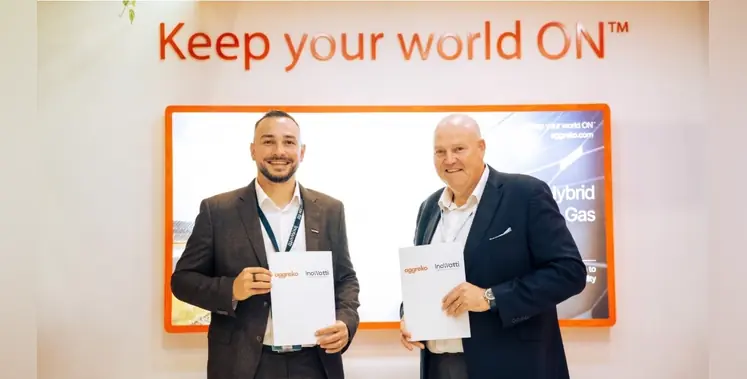
The two companies will collaborate on solutions that convert flared and stranded gas into power. Image source: Aggreko
Aggreko (Middle East) Limited and Czech energy technology company InoWatti a.s., signed an agreement at the Oman Petroleum & Energy Show (OPES) 2026 to collaborate on solutions that convert flared and stranded gas into power for high-density computing and other industrial uses.
The agreement outlines a joint framework for deploying modular gas‑to‑power systems at flare‑gas sites across Oman. Under the MoU, Aggreko will provide gas‑to‑power generation and engineered energy solutions, while InoWatti will manage commercial development, including site identification, operator engagement, and integration of mobile high‑density computing infrastructure.
Together, the partners will focus on flare‑gas environments where permanent infrastructure is not economically viable, including early‑stage production sites, remote fields, and locations with intermittent or low‑volume gas streams.
“This agreement strengthens our commitment to helping operators reduce flaring through practical, scalable energy solutions. By pairing Aggreko’s gas‑to‑power capabilities with InoWatti’s commercial and flexible computing infrastructure, we see a clear opportunity to turn previously wasted gas into productive power that supports operational performance and emissions reduction,” commented James Smith, business development manager, Projects & Gas, at Aggreko Middle East.
The partnership supports national objectives under Oman Vision 2040, which prioritises emissions reduction, improved resource efficiency, and the adoption of technologies that enhance operational sustainability in the oil and gas sector.
“InoWatti's expertise in flare gas monetisation, combined with Aggreko's world-class power generation expertise, creates a compelling proposition for oil and gas operators looking to eliminate flaring and unlock new revenue streams,” added Jakub Hlavenka, CEO at InoWatti a.s.
Gas flaring wastes natural gas that could be used for productive purposes, such as power generation, as well as contributing to climate change through the emission of CO2; at current levels, global flaring is estimated to result in about 400 million tons of CO2e emissions annually, according to the World Bank. The World Bank’s latest Global Gas Flaring Tracker reveals that global gas flaring volumes rose to 151 bcm in 2024 from 148 bcm in 2023, the highest level since 2007.
InoWatti’s mission is to eliminate routine gas flaring by converting wasted associated gas into a productive energy source, turning an environmental liability into a profitable asset for oil and gas operators. By deploying modular gas-to-power units directly at the flare site, InoWatti enables operators to generate new revenue streams, improve ESG performance, achieve regulatory compliance, and power co-located data centre operations.

Casper Herzog, CEO of AVEVA, addressing the conference. (Image source: Alain Charles Publishing)
At the opening of AVEVA World 2026 in Milan on 19 May, AVEVA’s chief executive officer Caspar Herzberg highlighted how industrial intelligence breakthroughs can spark fresh possibilities at a time of a new operational reality
Addressing the packed gathering, the CEO of the leading global industrial software company addressed the challenges posed by increasing geopolitical volatility and unpredicatability, multiple paradigm shifts and a multipolar world of conflicts, economic warfare, trade disputes, tariffs and changing supply chains.
“Energy systems are being rewired not just to have electrification but to have resilience and redundancy as core motifs of this rewiring,” he said, citing the renewed focus on hydrocarbons, nuclear and coal. “So we have multiple build outs of generation assets all over the world.”
This trend will be intensified as generation assets are now strategic targets, making it all the more important to have multiple options.
“At the same time we are seeing the rise of generative, agentic and physical AI upending work, creating promises but also challenges in making those promises work in the industrial world we live in.”
As a result of all these pressures there is a “race to resilience”.
“What all these conflicts, these wars and trade disputes have reinforced is that those countries that diversify or have diversified their supply chains and their energy systems withstand these shocks better,” Herzberg said, adding that policies supporting resilience and multiple options will become a national imperative.
“This is not all doom and gloom, because hand in hand with these industrial policies and this need to diversify come infrastructure and digital capability investments, as not only companies but also states rebuild their value chain for redundancy and resilience. Our customers are powering this next generation of industrial infrastructure.”
Wood, for example is using AVEVA unified engineering, PI system, unified supply chain and CONNECT all together to create digital twins that reduce rework, improve collaboration, and preserve lifecycle continuity.
Going on to discuss innovation, Herzberg drew parallels with the Italian Renaissance, and the idea that humanity has to be at the centre of science and progress. “Today we face a lot of the same pressures, we have some amazing technological capabilities, we have the power of AI, but we must keep humanity, people at the centre of decision making.
“So this moment that I would call powering possibility is defined not only by volatility but by new possibilities, positive possibilities. Imagination is meeting digital capability. There are challenges, with the bottom line and increasing complexity, but there is a large positive opportunity that we can now access at a much faster pace than in the past. To seize that opportunity means creating scale, and creating scale requires integrated software. Intelligence means optimising performance, and that requires intelligent software, and empowering people requires intuitive software.
“That brings us to AVEVA and our quest to deliver software that is integrated, intelligent and intuitive.”
Herzberg charted AVEVA’s progress since the launch of its multi-year technology strategy in 2024. Highlighting some recent developments, he said,
“In the first quarter of this year our generative design assistant brought AI capabilities in unified engineering to our customers for the very first time, where predictive design models surface issues much earlier, and where automated point cloud intelligence reduces manual effort.”
The company also announced a lifecycle digital twin for the data centres of the future with Schneider and NVIDIA, which brought unified engineering process simulation and the PI System together in one capability via the NVIDIA Omniverse viewport.
New collaborations
Key to enhancing AVEVA’s capabilities has been its strong partner ecosystem.
“We’re all about the open partner-powered ecosystem. We believe in bringing everybody together for the benefit of industry and the customers we serve,” Herzberg said.
Herzberg announced several new partnerships to strengthen AVEVA’s innovation roadmap, including an agreement (subject to regulatory approval) to acquire Twinthread, a leading provider of predictive analytics, of digital twins and AI for industrial end markets. This will add an advanced AI layer to AVEVA’s data and analytics foundation on CONNECT, AVEVA’s industrial intelligence platform.
“It’s a super powerful capability that enables engineers to improve quality, throughput, asset life and energy efficiency much more rapidly,” Herzberg said.
AVEVA also announced a strategic collaboration with SnowFlake, the AI Data Cloud company, which establishes a direct, zero-copy integration between CONNECT and Snowflake’s AI Data Cloud. It expands AVEVA’s cloud scale intelligence capabilities and enables data to be accessed and used without duplication, helping organisations to move from fragmented IT and OT systems to a governed, enterprise-wide data foundation.
Another strategic partnership between AVEVA and Amazon Web Services (AWS) will accelerate the delivery of industrial intelligence in the cloud, seeing AVEVA expand its CONNECT platform on AWS as part of its broader move to a multi-cloud architecture. By bring CONNECT and the broader AVEVA portfolio to AWS, the two companies aim to give industrial customers a faster, more scalable path to cloud-native operations, reducing the complexity and cost of managing on-premises infrastructure while enabling new AI-driven capabilities that were previously impractical at scale.
Further embodying the spirit of radical collaboration, AVEVA announced a new partnership with IFS, a global leader in industrial AI, to advance AI-powered Continuous Asset Decision Intelligence. The new solution is designed to turn real-time operational and asset data into smarter maintenance, investment and execution decisions across the integrated asset lifecycle, unifying operational intelligence, enterprise execution and strategic capital planning and creating one connected decision flow where every participant in the value chain has the information and AI-enriched insight they need to act with speed and confidence.
“Our partnership with IFS connects data and insights in powerful new ways, from sensor to boardroom,” Herzberg said.
2026 will be a year of acceleration for AVEVA, as AI increasingly transforms industry.
“First we‘re going to double down on industrial AI, and CONNECT is the backbone that enables that. There will be much more investment in those capabilities,” Herzberg said.
“Second, we are increasingly focused on cloud native analytics, AI and digital twins and applications.” AVEVA leaders expanded on the details in following sessions.
New solutions and features will include a digital twin builder that publishes engineering content all the way to CONNECT; an intelligent industrial knowledge graph that contextualises data to PI; enhanced capabilities for PI and PI Vision; a new intuitive UX for CONNECT; and unified engineering and unified visualisation by HMI SCADA on CONNECT.
The opening session of AVEVA World also saw AVEVA customers share their insights and experiences of harnessing the power of digital innovation to open new possibilities. The USA’s TC Energy is using AVEVA software to optimise power supplies to customers across the US market; Porsche MotorSport is using data-driven insights to drive winning performance; and Italy’s Saipem is blending industrial AI and AVEVA Unified Engineering in the cloud, enabling teams to optimise design efficiency, carbon footprint and speed to market.
AVEVA World 2026 is the largest ever edition of AVEVA’s annual flagship conference, bringing together around 4,000 industry leaders, innovators and engineers including 200 students from local universities.

Dubai, UAE
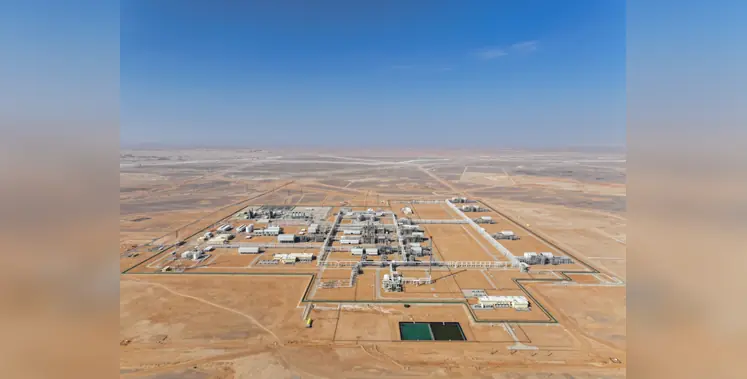
Oman is looking to boost exploration and production to grow the contribution of oil and gas to the economy. (Image source: Oman Ministry of Energy & Minerals)
Oman’s Ministry of Energy and Minerals has announced the offering of five concession areas in the oil and gas sector for competitive bidding to local and international petroleum companies
The five concession areas are distributed across a wide geographical area and have significant geological potential, according to the Ministry. They are as follows:
· Blocks 12 and 16: Located in the “Greater Barik Area” in central Oman, covering areas of 5,050 sq km and 4,496 sq. km respectively.
· Block 55: Located in the “Eastern Flank Province”, spanning an area of 7,564 sq. km.
· Blocks 42 and 45: Located in the “Sharqiyah Sands Basin” and surrounding areas, with Block (42) covering 30,682 sq. km and Block (45) covering 5,483 sq. km.
The Ministry explained that the application process goes through several stages, including reviewing the available opportunities, registering and submitting the required documents, obtaining the technical data, and then submitting proposals through the designated platform before the deadline. Companies interested in participating can review the tender details through the tender website via the QR Code. Registration will commence on 12 April 2026 and continue until 30 September 2026, with results to be announced following the completion of the technical and financial evaluation of the submitted bids.
The Ministry affirmed that the bid round is part of its ongoing approach to enhancing the investment environment and improving transparency, thereby contributing to attracting quality investments, strengthening international partnerships, transferring modern technologies, and maximising the added value of the oil and gas sector, while supporting sustainability and enhancing the sector’s contribution to the national economy, in line with the objectives of Oman Vision 2040.
The launch of the bid round follows the signing of a concession agreement in February between Oman's Ministry of Energy and Minerals and a joint venture of OQ Exploration and Production and Malaysian group Petronas for offshore block (18) in the Sea of Oman covering a 21,000 sq km area, which offers significant frontier exploration potential across diverse geological settings, from shallow to ultra-deep water.
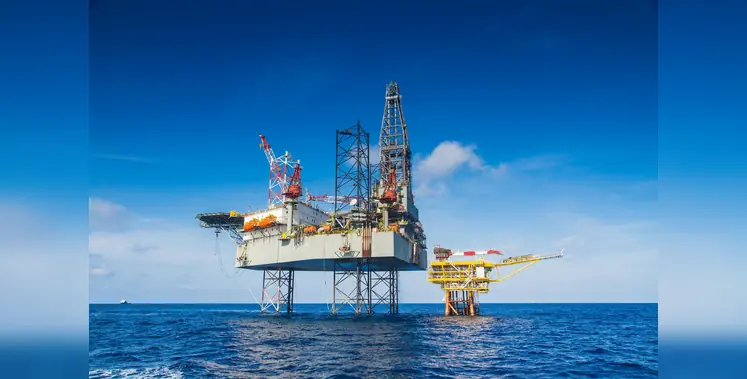
TotalEnergies is expanding its exploration activities in the Mediterranean. (Image source: Adobe Stock)
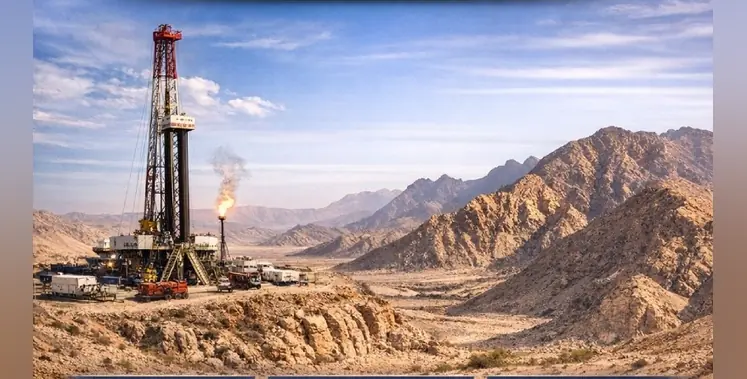
a planned 3D seismic survey and exploration and appraisal program is expected to advance the development of the new resources by the end of 2028. (Image source: Adobe Stock)
LNG investment is expected to more than double in 2026 compared with 2025. (image source: Adobe Stock)
Oil investment is set to decline for a third consecutive year, while natural gas investment is projected to rise to the highest level in a decade, according to the 2026 edition of the IEA’s annual World Energy Investment report
Despite higher oil prices, oil investment is expected to fall below US$500bn, as uncertainty over the duration of the price spike, long project lead times, supply chain constraints and tighter offshore rig markets limit spending outside the Middle East.
Global upstream investment is expected to rise marginally in 2026, with declines in the Middle East and North America offset by increases mainly in Central and South America and Africa, but new refinery investment is expected to fall to decade-level lows.
At the same time, natural gas investment is projected to rise to US$330bn, supported by a wave of new LNG export projects, particularly in the USA and Qatar. LNG investment is expected to more than double in 2026 compared with 2025 as more than 230 bcm of projects advance toward peak construction.
The report highlights that the impact of the conflict in the Middle East and the effective closure of the Strait of Hormuz is prompting countries and companies to reshape energy investment strategies with a focus on security and diversification, particularly in Asia and the Middle East.
The report projects that total global energy investment will reach US$3.4 trillion in 2026, a slight increase year-on-year. Around US$2.2 trillion is expected to go to grids, storage, low-emissions fuels, nuclear, renewables, efficiency and electrification in 2026, while around US$1.2 trillion is set to be invested in oil, natural gas and coal.
Electricity and diversification drive spending
Electricity and diversification are driving growth in energy spending with countries seeking to respond to the second energy crisis in five years with new routes and domestically available resources. There is a growing focus among fuel-importing countries on domestic energy sources including renewables, nuclear power and, in some cases, coal. Investment in renewable power projects is expected to total around US$665bn in 2026, with US$365bn going toward solar alone. Nuclear investment is continuing its resurgence, exceeding US$80bn annually, with close to 80 gigawatts of new nuclear capacity under construction across 15 countries.
Coal investment, meanwhile, is also set to rise to US$180bn in 2026, the highest level since 2012, with China accounting for almost 70% of global coal supply spending. The report notes that some Asian countries may seek to keep existing coal-fired power plants operating for longer to bolster energy security.
Electricity-related investment remains a dominant theme. Investment in electricity supply and infrastructure is expected to reach nearly US$1.6 trillion in 2026 with spending on electricity grids projected to approach US$550bn, up nearly 20% year-on-year, while battery storage investment is set to exceed US$100bn.
The electricity demands of the rapid expansion of data centres and artificial intelligence are also becoming a major influence on energy investment trends in some markets, particularly in the USA. Orders for new gas-fired power plants reached a 25-year high in 2025, with data centre needs playing a significant role.
The report highlights an increased focus on energy efficiency as a result of the crisis, although there are plenty of gaps that need to be filled.
The report notes that the Middle East conflict is impacting the availability of finance for future energy projects, triggering volatility within financial markets, slowing investment decisions in the short term and pushing up long-term financing costs. This could disproportionately affect capital-intensive energy technologies, the report warns, particularly in emerging and developing economies where financing costs are already significantly higher than in advanced economies.
“We are in the midst of the largest energy security crisis the world has ever faced – and I believe this will reshape investment strategies globally, with parallels to the major changes the energy world witnessed after the oil shocks of the 1970s,” said IEA executive director Fatih Birol. “We are already seeing intensified efforts by both producer and consumer countries to diversify trade routes and energy sources – such as advancing new pipelines and other supply infrastructure, on the one hand, and turning more to domestically available resources, on the other. These range from renewables and nuclear to coal, oil and gas, in some cases – as well as broader measures to strengthen electricity systems, expand electrification and accelerate energy efficiency.”
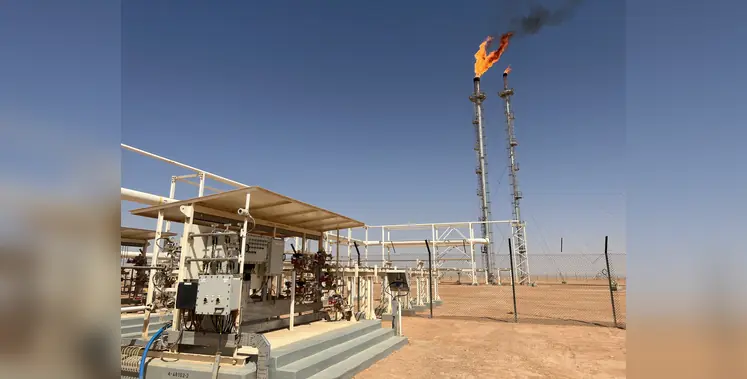
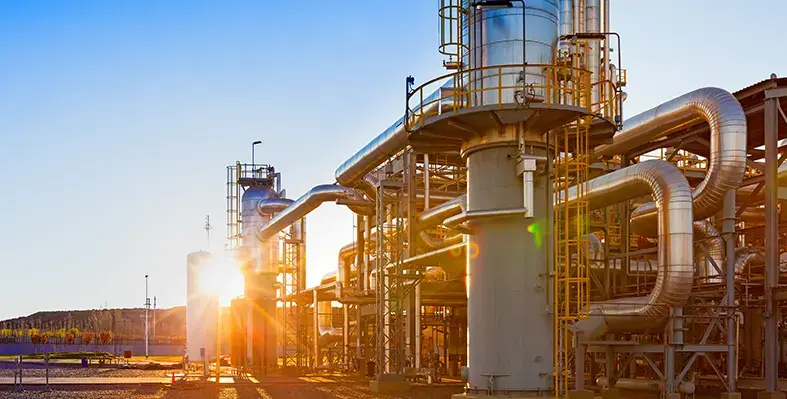
The new system recovers gas that was previously wasted.

Vitol Bahrain EC has a long-standing presence in Uganda's downstream sector.
As the Uganda National Oil Company aims to build a crude refinery, it has reached out to a unit of global commodities trader, Vitol, for a US$2bn loan to support the project alongside construction and infrastructure developments
According to Henry Musasizi, Uganda's junior finance minister, this seven-year tenor loan from Vitol Bahrain EC (VBA) comes with an interest rate of 4.92%. The minister worked on advancing the approval process for the credit line and the loan, which involved significant lawmakers, who sanctioned the development with a majority verdict.
Musasizi said that Vitol's support "presents an opportunity to access non-traditional financing to implement. ..projects and support the government in developing national infrastructure."
Vitol Bahrain EC has a long-standing presence in Uganda's downstream sector, functioning as the sole supplier of refined petroleum products to UNOC, before the state-owned company sells it to retailers across the country.
Alongside the refinery, the loan amount will also be covering road construction, a petroleum products storage terminal and extension of a petroleum pipeline from western Kenya to Uganda's capital Kampala.
Previously, the UNOC also concluded a deal with the UAE-based Alpha MBM Investments, whereby a domestic refinery with a capacity of 60,000 barrels per day is in the pipeline. The agreement accords 60% stake on the refinery to the UAE firm while UNOC retains 40%.
Uganda is looking to begin commercial oil generation starting next year from fields in its west.
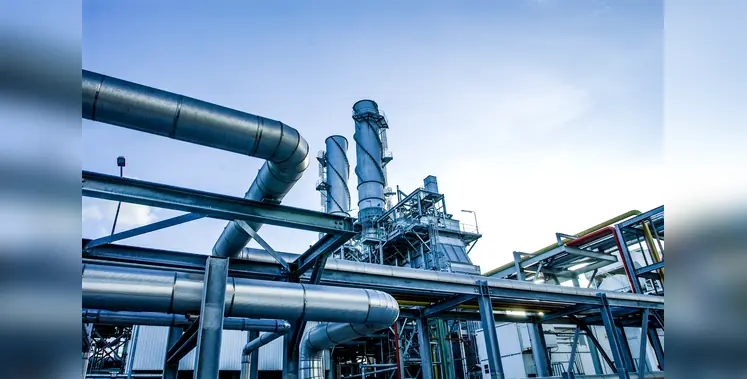
Demand could also drop in markets that have so far weathered the crisis. (Image source: Adobe Stock)
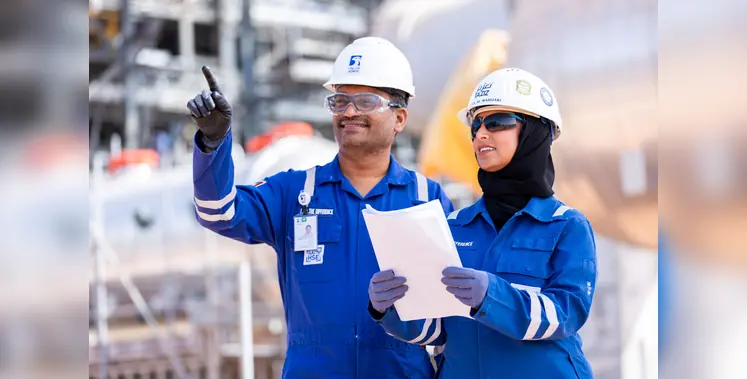
The agreements will expand the chemicals ecosystem. (Image source: ADNOC)
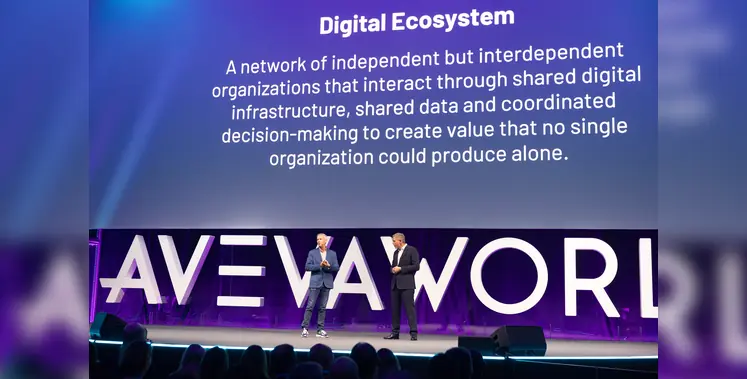
Professor Michael Wade and Caspar Herzberg, CEO of AVEVA discuss the report findings at AVEVA World 2026. (Image source: Alain Charles Publishing)
A new report from AVEVA, a global leader in industrial software, and the International Institute for Management Development (IMD) discusses what makes digital ecosystems succeed
Based on a global survey of 275 senior business leaders across 12 industry sectors and 19 expert interviews, the inaugural Industrial intelligence Report on Digital Ecosystems and the Future of Connected Industries explores how organisations can harness their industrial intelligence to build, orchestrate and scale business ecosystems that create value, and highlights the main barriers to success.
Increasingly, organisations are seeking to construct digital ecosystems to address business challenges, whether that is innovating faster, navigating supply volatility, or decarbonising complex global operations. Such ecosystems – networks of independent but interdependent organisations that interact through shared digital infrastructure, shared data and co-ordinated decision making – create value that no single organisation could produce alone. Digital ecosystems are delivering measurable operational value in areas such as customer experience, commercialisation speed and ecosystem-wide automation.
Yet, as the research shows, the gap between digital ecosystem ambition and execution remains wide. Where ecosystems are working, companies are realising tangible value through harnessing their industrial intelligence. But the barriers to success remain challenging, spanning the areas of corporate strategy, governance, and technology.
In a fireside chat at AVEVA World in Milan, where the report was launched, AVEVA CEO, Caspar Herzberg spoke about the findings with Michael Wade, director of IMD Global Center for Digital and AI Transformation and Professor of Strategy and Digital, IMD.
Importance of data sharing and good governance
Professor Wade highlighted that the two key factors posing challenges were data sharing and governance, both of which are critical for value to be created, delivered and captured.
While 74% of leaders surveyed consider digital ecosystems a top strategic priority, only 27% report sharing data substantially or extensively with ecosystem partners, and only 9% have achieved joint, integrated cross-organisation data governance.
“The more data was shared, the more value was created, but at the but at the same time, paradoxically, we saw a quite a large reluctance to share data,” Professor Wade said.
Discussing the importance of setting up good governance, he commented, “Poor governance or lack of governance reduces value. Those organisations that had set up strong joint governance celebrated value in their digital ecosystems.” Governance maturity is strongly associated with ecosystem value, the report shows.
Ai is widespread but shallow, according to the findings, with only 3% treating it as a core platform capability. Infrastructure constraints, rather than trust or regulation, represent the main barrier to AI deployment in ecosystems.
Several illustrative case studies also emphasise the gap between ambition and execution: integration complexity, legacy systems and weak governance. Most organisations are investing in digital ecosystem strategy while underinvesting in the operational foundations that make ecosystems work.
The report concludes that organisations most likely to lead the next phase of digital ecosystem development will be those that solve the fundamental problems that currently prevent ecosystems from delivering on their promise: governance structures aligned across partners, deeper data sharing and the capability to collaborate broadly across diverse partner types.
Herzberg explained, “With this collaboration with IMD, our ambition is not merely to understand the motivations behind the move to digital ecosystems, but to define the frameworks, competencies and leadership practices that will concretely enable companies to transcend silos and build more adaptive, ecosystem driven operating models.”
“Governance, integration and learning matter more right now than algorithms. Ecosystems are already delivering operational value. The next phase is about converting that foundation into strategic advantage through better data sharing, coordination, clearer roles and more deliberate leadership... Industrial sectors have decades of experience collaborating out of operational necessity. What is changing is that data, AI and connected platforms are turning those collaborations into real time, intelligence driven systems,” commented Professor Wade.
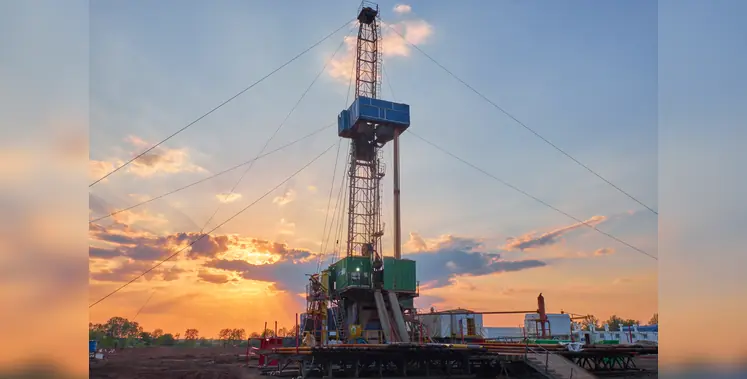
The new platform enables organisations to measure, disclose, and optimise their carbon emissions across Scope 1, Scope 2, and Scope 3 categories. (Image source: Adobe Stock)
Aramco will combine its expertise and intellectual property with Emerson’s advanced corrosion solutions to digitalise and transform corrosion management. (Image source: Emerson)
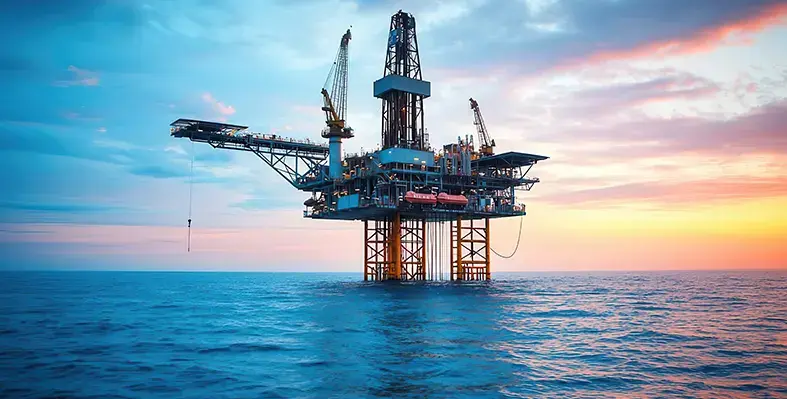
Oil and gas operations in the Middle East span harsh deserts, sprawling refineries and high-risk offshore environments. (Image source: Adobe Stock)
In the oil and gas industry, where every second counts and every decision impacts profitability and safety, robust security is not just a luxury – it's a necessity
From protecting critical assets to safeguarding human lives, security systems must meet the highest standards of reliability and performance.
Pelco, a leader in video security, is uniquely positioned to address the challenges faced by oil and gas companies in the Middle East, offering a fresh perspective on how to optimise security systems seamlessly. With our upcoming online event, we invite you to explore how Pelco can help tackle worker safety, asset protection and operational efficiency in this complex industry.
Addressing oil and gas challenges head-on
Oil and gas operations in the Middle East span harsh deserts, sprawling refineries and high-risk offshore environments. Physical, environmental and digital threats are converging, and security systems must evolve to meet these overlapping demands. Our upcoming online event will focus on three critical areas where Pelco's expertise can make a difference:
1. Improve worker safety and HSE compliance
Ensuring worker safety is both a moral responsibility and a regulatory imperative. Health, Safety and Environmental (HSE) compliance is a top priority for oil and gas operations. Pelco's advanced portfolio is designed to help you meet these standards.
Edge-based analytics and intelligent video security can be valuable tools in supporting site safety. These systems can help detect safety incidents, such as slips or falls, especially in areas where oily surfaces, heat or dust create additional hazards. When incidents occur in remote areas, automated detection can prompt faster intervention, thereby closing the gap between the event and the response.
Personal Protective Equipment (PPE) compliance is another key safety concern. High temperatures in the Middle East can lead to discomfort, and in some cases, workers may be tempted to remove protective gear, such as hard hats or vests, for temporary relief. In this case, AI-enabled video analytics can help identify instances of non-compliance, enabling safety teams to address the issue before it becomes a liability.
Zone-based behavioural analytics can help detect when someone enters a restricted or hazardous area or remains in a dangerous zone longer than necessary. For example, loitering detection near flare stacks or storage tanks can support situational awareness and proactive incident mitigation.
2. Improve security and asset protection
From refineries in the desert to offshore rigs in corrosive marine environments, your assets operate under pressure, so your security systems must withstand these harsh conditions. In areas where explosive gases or dust particles may be present, even basic equipment can pose risks. That’s why choosing video solutions built for hazardous environments is critical.
ExSite Enhanced cameras, featuring 316L stainless steel construction and certifications such as ATEX and IECEx, are designed for use in hazardous atmospheres. Whether it’s observing pipeline manifolds, wellheads or chemical storage areas, these systems deliver dependable performance in high-risk environments. In corrosive coastal locations, such as LNG terminals or offshore rigs, Pelco’s anti-corrosion models withstand salt spray, humidity and chemical exposure without compromising visibility.
For perimeter defence, long-range Silent Sentinel cameras give security teams early warning of approaching threats, detecting vehicles, vessels or drones from kilometres away in fog, darkness or dust. These systems are especially valuable for remote desert pipelines or unstaffed offshore installations, where rapid detection is critical to prevent disruptions.
3. Minimise downtime and maximise uptime
Every minute of downtime impacts revenue. For oil and gas operations, the cost of unplanned outages is measured in millions of dollars. With Pelco, your video security can become an operational asset.
Radiometric thermal cameras can detect overheating in transformers, compressors and electrical panels, allowing teams to take action before equipment failure occurs. At the same time, Pelco’s camera image health analytics help ensure your video infrastructure is always performing at its best. Our cameras automatically detect issues such as lens obstructions, misalignment or tampering, reducing the need for manual inspections and helping ensure your security coverage is always clear, optimised and ready when it matters most.
Join us to discover the Pelco advantage
We invite you to join our upcoming online event, where industry leaders and Pelco experts will dive deeper into these challenges and solutions. Together, we'll explore how Pelco can be the missing ingredient to supercharge your security and drive operational excellence in the Middle East oil and gas sector.
Don't miss this opportunity to gain actionable insights and position your operations for success. Register now and discover how Pelco can transform your approach to security.

Competence is a must for high-risk tasks. (Image source: Adobe Stock)
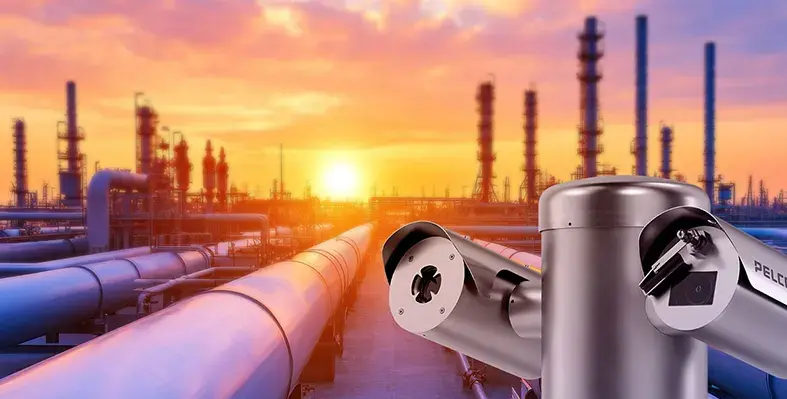
The event will address the security challenges in the Middle East oil and gas sector, and how Pelco solutions can help.
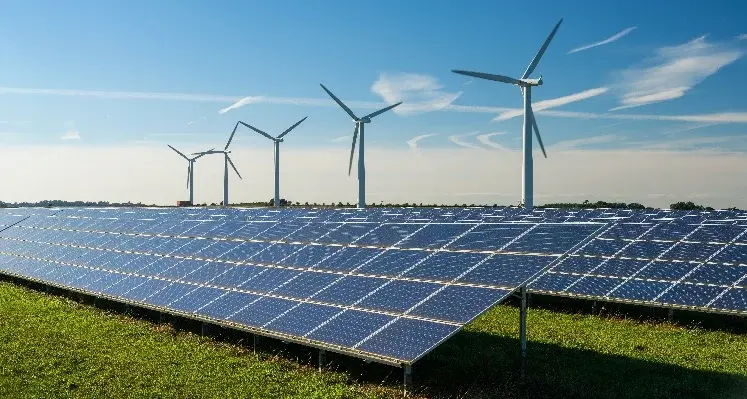
GCC countries are realigning domestic energy systems. (Image source: Adobe Stock)
The Middle East and North Africa (MENA) is set to become the world’s largest hydrogen exporter by 2060, while maintaining a dominant position in global oil and gas markets, according to DNV’s Oil & Gas Decarbonization in the Gulf Region report
The report highlights how Gulf Cooperation Council (GCC) countries are cutting the emissions intensity of their core oil and gas production while continuing to play a central role in global energy supply, presenting a picture of a region approaching the energy transition from a position of confidence and capital strength. Reductions in emissions intensity are occurring alongside continued hydrocarbon production and investment across renewables, electrification, hydrogen, methane abatement, digitalization, and carbon capture.
Since 2005, the GCC has produced nearly 18% of global oil and gas, a share expected to increase as investment continues in low-cost, advantaged resources. As global energy demand increasingly shifts toward Asia, the region’s location and cost competitiveness strengthen its position as a preferred supplier. At the same time, decarbonization measures are becoming an integral part of long-term competitiveness.
“The global energy transition will not progress at the same pace across regions, nor will it follow a single pathway,” said Brice Le Gallo, vice-president & regional director for Southern Europe, MEA & LATAM, Energy Systems at DNV. “In the Middle East, oil and gas remain central to economic stability and global energy security. The key challenge is to reduce their emissions footprint while accelerating investment in the technologies needed for a lower-carbon energy system.”
Electrification is being used to cut Scope 2 emissions from pumps, compressors, and offshore facilities, through grid connections, renewable power, and hybrid solutions. These efforts are supported by energy-efficiency measures and the use of digital tools and artificial intelligence to optimise drilling, reservoir management, and asset operations, reducing energy intensity and emissions per barrel produced.
Methane reduction remains one of the most immediate and cost-effective options for lowering emissions. Across the GCC, routine flaring is planned to be phased out by 2030 and leak detection and repair (LDAR) programmes are increasingly standard. National oil companies are also aligning with international methane initiatives, enabling continued production growth while reducing methane intensity in line with national net-zero targets.
GCC countries are realigning domestic energy systems to reduce oil and gas use domestically and free up volumes for export and low-carbon fuel production. Growth in renewables, electrification of transport and buildings, and efficiency gains are driving this shift. Investment in downstream industries, petrochemicals, and low-carbon fuels is also changing export profiles, moving beyond crude oil toward higher-value and lower-carbon energy products.
With access to low-cost natural gas, strong solar resources, and established industrial and export infrastructure, the region is well placed to scale both low-carbon hydrogen (produced from natural gas with carbon capture) and renewable hydrogen produced through electrolysis. By 2060, the Middle-East and North Africa region is projected to produce around 19 million tonnes of hydrogen and 13 million tonnes of ammonia per year, exporting about 50%, mainly toward Europe and advanced Asian economies.
“Hydrogen, ammonia, and carbon capture are becoming core elements of the GCC’s energy export model,” said Jan Zschommler, market area manager for the Middle East, Energy Systems at DNV. “As emissions requirements tighten, access to international markets will increasingly depend on carbon intensity. Integrating hydrogen production with renewable power, carbon capture, and existing industrial clusters allows the region to remain competitive while meeting these requirements.”
Carbon capture, utilization and storage (CCUS) is also set to grow. In January 2026, the UAE's Supreme Council for Financial and Economic Affairs has introduced Carbon Capture Policy as a further commitment to meeting their carbon reduction targets. Captured CO₂ volumes (including CO₂ removal) are expected to reach around 250 million tonnes per year by 2060, equivalent to roughly 8% of regional energy-related and industrial emissions.
Bioenergy with carbon capture (BECCS) and direct air capture (DAC) combined are expected to remove around 81 million tonnes of CO₂ per year by 2060, helping to offset emissions from sectors that are more difficult to decarbonise.
The full report is available at https://www.dnv.com/energy-transition-outlook/oil-and-gas-decarbonization-in-the-gulf-region/

The new guidance addresses hydrogen-specific integrity and safety considerations. (Image source: Adobe Stock)
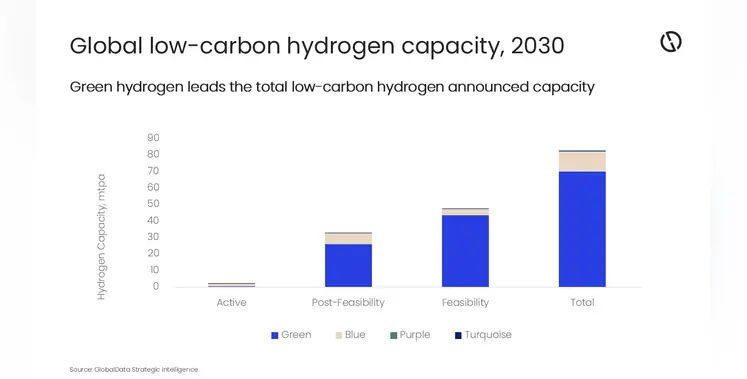
The majority of projects are still at a feasibility stage. (Image source: GlobalData)
Most Read
-

TotalEnergies will support the refinery with its global oil and feedstock supply capacity. (Image source: Adobe Stock)
-
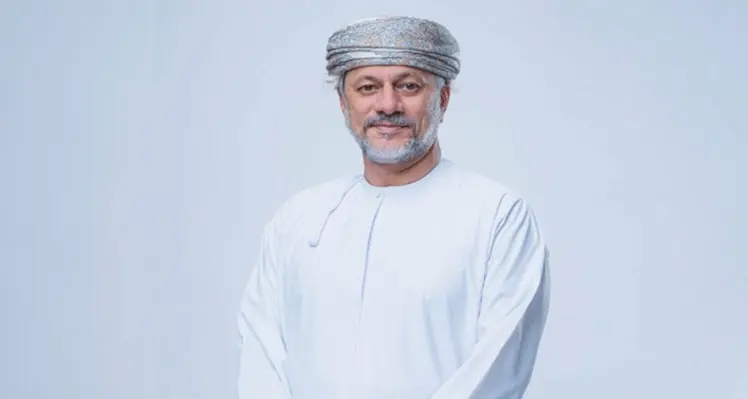
HE Abdulsalam bin Mohammed Al Murshidi, the president of Oman Investment Authority (OIA)
-
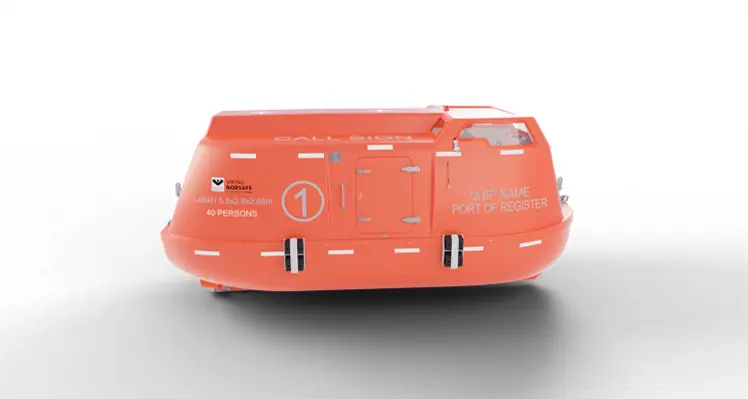
The new range has been launched in response to the demand for compact and lightweight lifeboats. (Image source: VIKING)
-
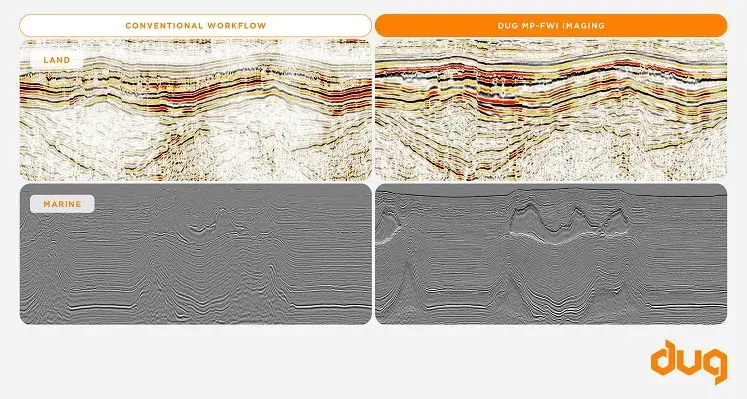
Comparison of conventional workflow with DUG MP-FWI imaging. (Image source: DUG)
-
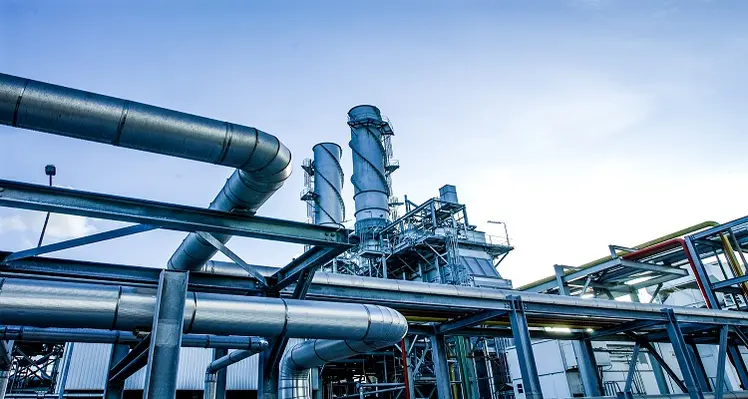
The programme will optimise asset lifecycle, enhance machinery performance and improve overall reliability. (Image source: Adobe Stock)
-
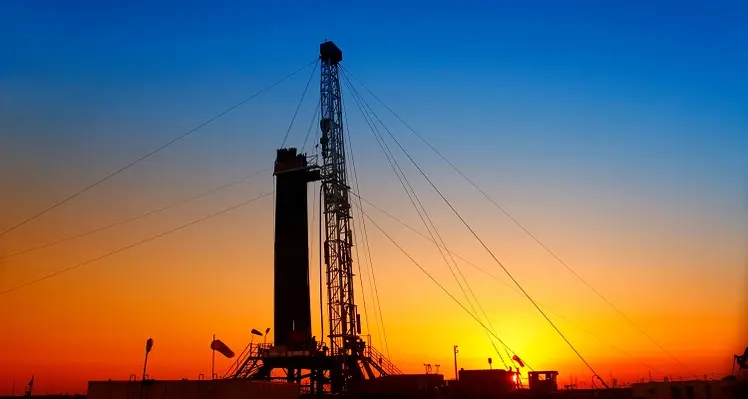
TotalEnergies and SONATRACH will develop gas resources in Algeria's north-east Timimoun region, (Image source: Adobe Stock).
-
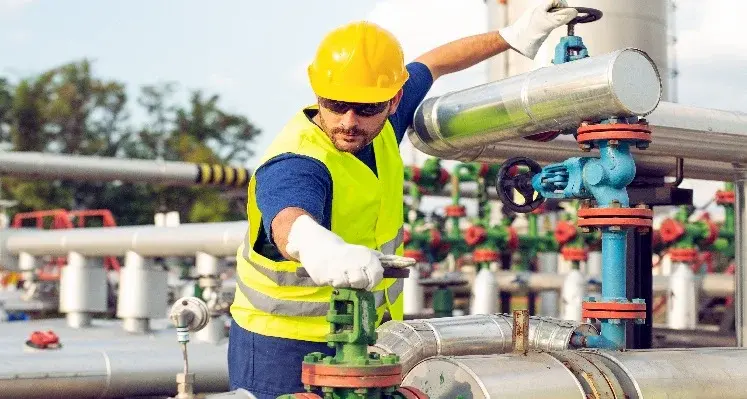
Human factors need to be taken into account when addressing safety. (Image source: Adobe Stock)
-
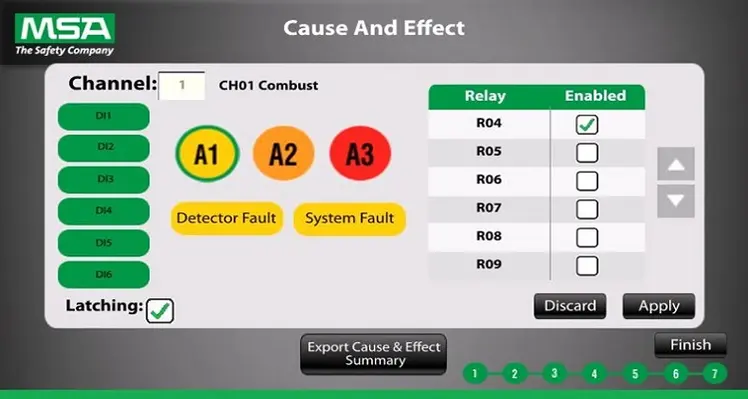
The system can activate notification and hazard mitigation equipment to notify workers and safeguard facilities. (Image source: MSA Safety)
-

The programme is designed to strengthen leadership and safety culture in the oil and gas industry> (Image source: Adobe Stock)
-
The expansion is expected to increase the plant’s processing capacity from 2.5 to up to 4 billion standard cubic feet per day (bscfd). (Image source: Aramco)
-
To improve differentiation, hard hats can be customised with different colours and logos. (Image source: MSA Safety)
- Details
-
By using analytics to augment and empower the workforce, pipeline operators can optimise operations and improve asset availability. (Image source: Adobe Stock)
- Details
-

The use of blockchain in the oil and gas sector is set to increase substantially. (Image source: Adobe Stock)
-
Block 56 is targeted for commercialisation in 2024. (Image source: Canva)
-
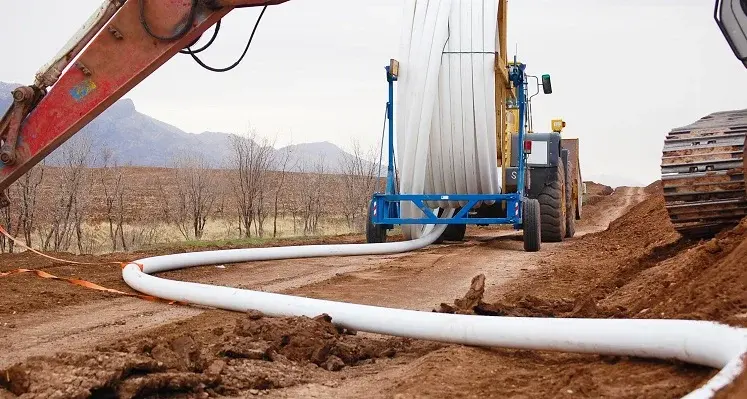
Over 4,000 km of SoluForce pipe has been installed around the world. (Image source: SoluForce)
-
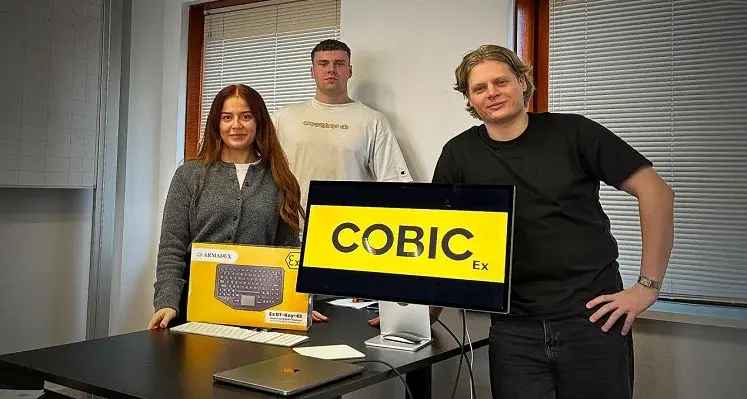
The partnership will enable HMi Elements to tap into Cobic-Ex’s global network. (Image source: HMi Elements)
-
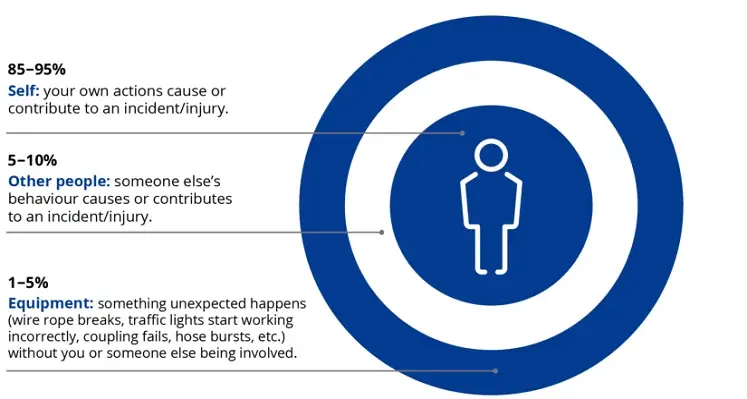
Source: SafeStart
-
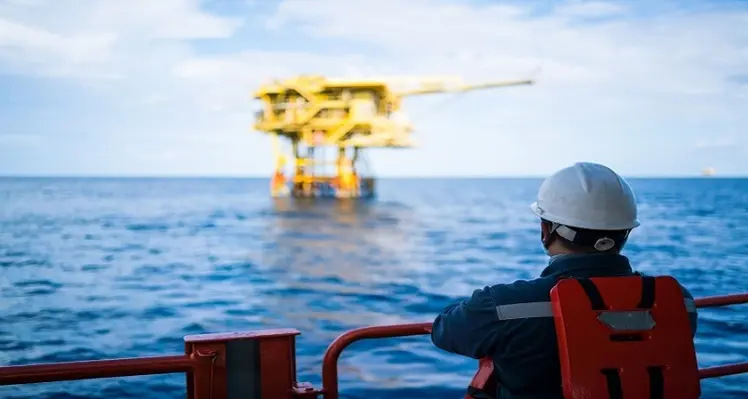
Operators have never needed to take safety and efficiency more seriously. (Image source: Adobe Stock)
-
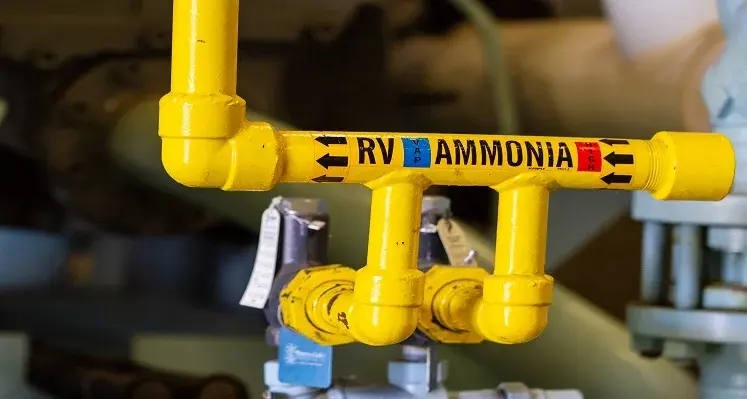
Among other services, KBR will offer proprietary equipment for NCIC's 1,200 metric tonnes per day ammonia plant. (Image source: Adobe Stock)
-
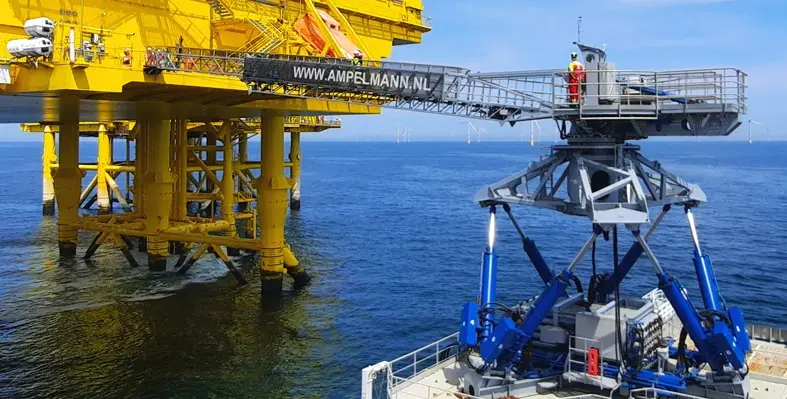
Ampelmann’s portfolio of gangways is ready for operations on any type of floating structure. (Image source: Ampelmann)
Latest News
-
The new platform enables organisations to measure, disclose, and optimise their carbon emissions across Scope 1, Scope 2, and Scope 3 categories. (Image source: Adobe Stock)
-
Aramco will combine its expertise and intellectual property with Emerson’s advanced corrosion solutions to digitalise and transform corrosion management. (Image source: Emerson)
-
The new system recovers gas that was previously wasted.
-
LNG investment is expected to more than double in 2026 compared with 2025. (image source: Adobe Stock)
-
Professor Michael Wade and Caspar Herzberg, CEO of AVEVA discuss the report findings at AVEVA World 2026. (Image source: Alain Charles Publishing)
-

EZTasks.ai is directly embedded into the EZOps Mobile Oilfield Platform. (Image source: EZOps) (Image source:
-
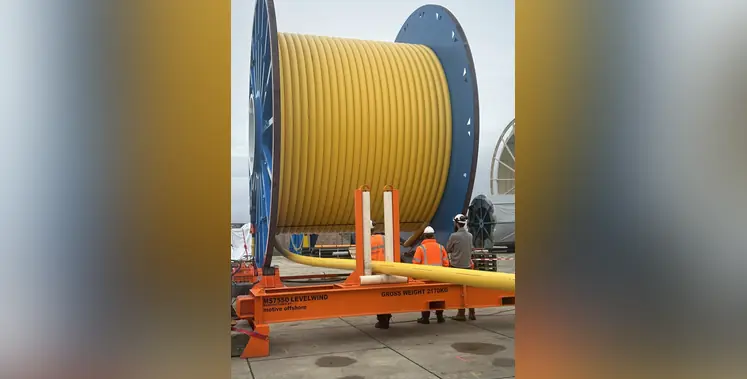
TCP is a strong, non-corrosive, spoolable, lightweight technology which is delivered in long lengths. (Image source: Strohm)
-
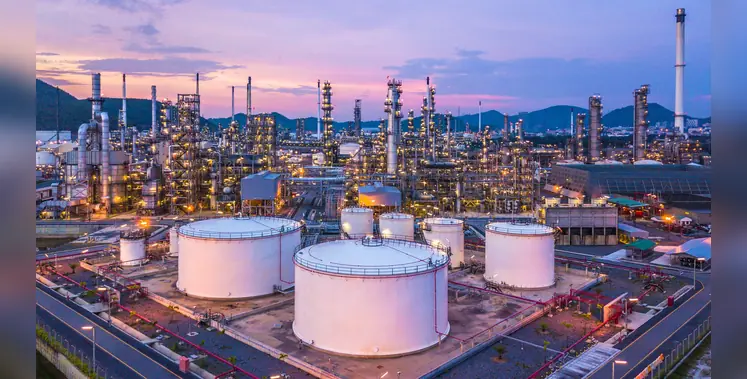
The luminaires are suited to hazardous environments such as petrochemical plants. (Image source: Emerson)
-
Wood will optimise the complex pipeline network. (Image source: Wood)
-
Digitalisation and AI will create close to US$500bn in cumulative value for E&P companies between 2026 and 2030. (Image source: Adobe Stock)
-
The robot is now carrying out routine inspections on site. (Image source: ADNOC)
-
The two companies will collaborate on solutions that convert flared and stranded gas into power. Image source: Aggreko
-
Casper Herzog, CEO of AVEVA, addressing the conference. (Image source: Alain Charles Publishing)
-
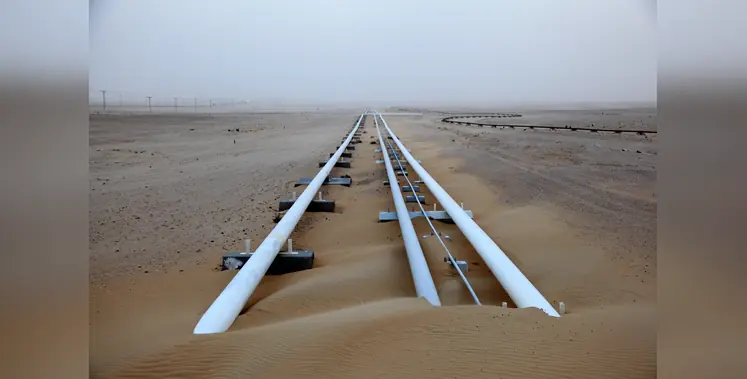
The pipeline will bring crude from the Habshan fields to the Port of Fujairah. (Image source: Adobe Stock)
-

The platform has been extended into the operations phase of subsea project lifecycles. (Image source: Adobe Stock)
-

Identity breaches are increasingly prevalent. (Image source: Adobe Stock)
-
TotalEnergies is expanding its exploration activities in the Mediterranean. (Image source: Adobe Stock)
-
Demand could also drop in markets that have so far weathered the crisis. (Image source: Adobe Stock)
-
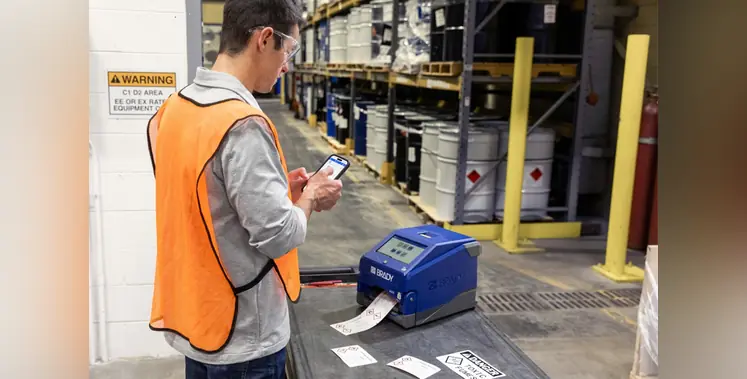
Brady has launched the BradyPrinter i4311. (Image source: Brady Corporation)
More Articles
The luminaires are suited to hazardous environments such as petrochemical plants. (Image source: Emerson)

Complacency can lead people to do something they know increases the likelihood of mind or eyes not on task. (Image source: Adobe Stock)

The IMIST standard addresses risks in the energy sector. (Image source: Shutterstock)
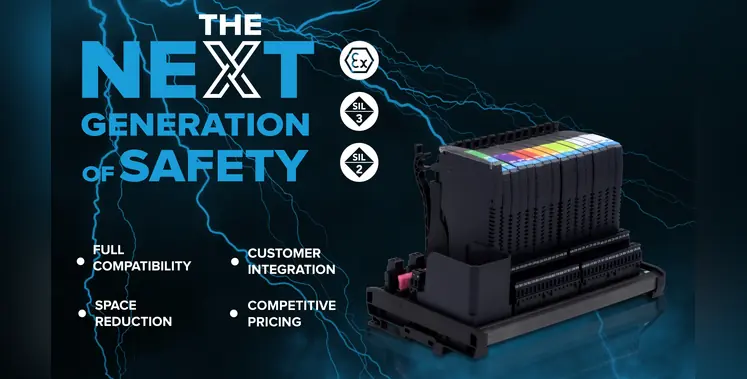
The X1 Series is an advanced universal marshalling system engineered for hazardous areas and high-integrity SIL applications. (Image source: GM International))
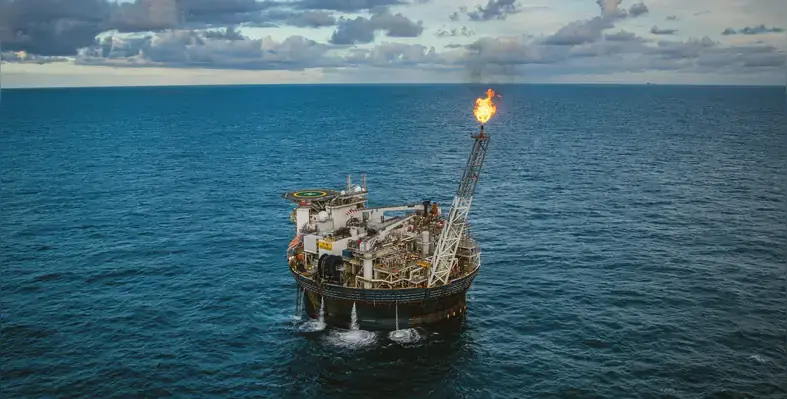
New challenges are emerging in mitigating health and safety incidents in hazardous zones. (Image source: Avigilon)

The Peli 9730 remote Area Lighting System. (Image source: Peli Products)
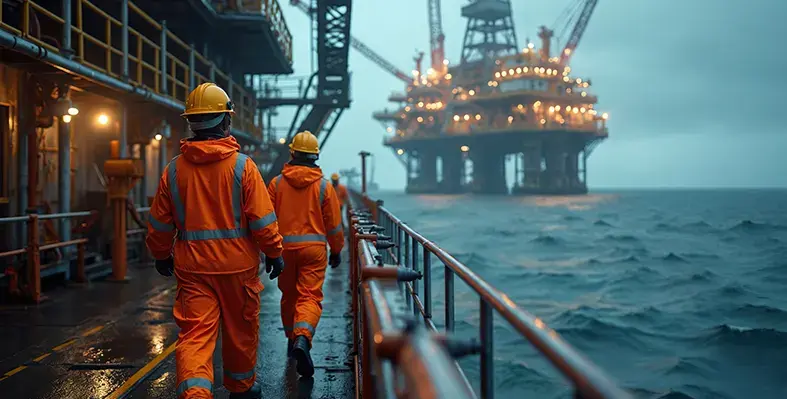
BOSIET training equips offshore workers with the necessary skills to work safety and effectively. (Image source: Adobe Stock)

The SHP-SIS Safety Smart High-Performance Positioner

The Hub features the latest thinking in gas detection technology. (Image source: MSA Safety)

Stephen Beynon demonstrates FLIR's OGI cameras at ADIPEC. (Image source: Alain Charles Publishing)
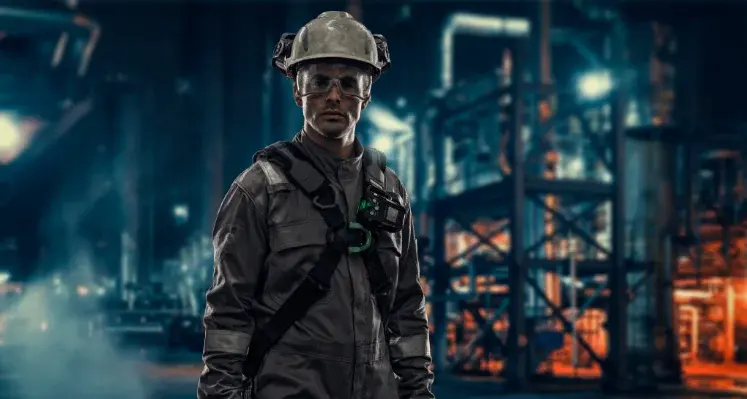
Choosing protection that is comfortable, high-performing, and easy to use shows commitment to people, not paperwork. (Image source: MSA Safety)
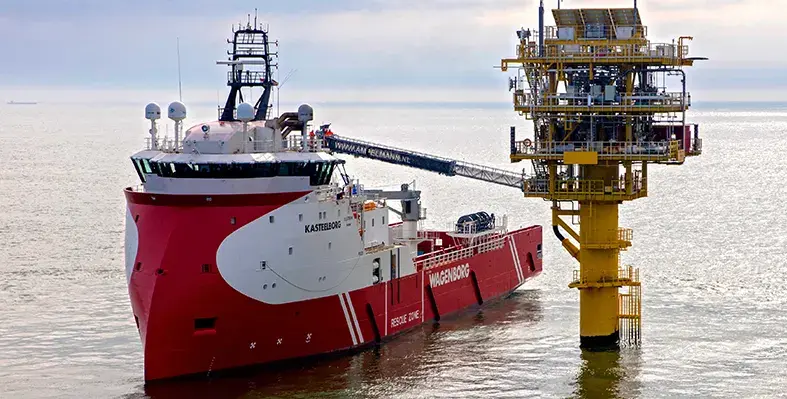
By streamlining offshore operations, W2W systems enhance personnel safety while cutting down greenhouse gas emissions. (image source: Ampelmann)