
How pipeline leak detection is set to change over the next decade

Oil and gas pipeline leak detection equipment are utilised to detect leaks in the pipelines carrying oil and gas









Oil and gas pipeline leak detection equipment are utilised to detect leaks in the pipelines carrying oil and gas
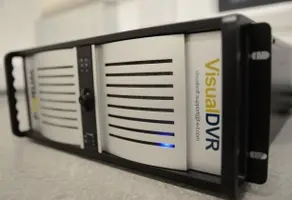
Forum Energy Technologies (FET), an international oilfield products company, has entered into a partnership with iSURVEY group, to supply its latest VisualSoft vessel installation system on the NKT Victoria, which is the world’s most advanced cable laying support vessel
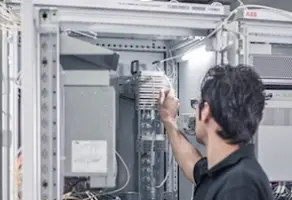
ABB announced on 3 July that it has agreed to acquire the mission-critical communication business of the KEYMILE Group to strengthen its communication networks portfolio
The acquisition will bring with it key products, software and service solutions, as well as research and development expertise. These will further enhance ABB’s industry-leading digital offering, ABB Ability, by adding extremely reliable communications technologies that are essential to maintain today’s dynamic and complex digital electrical grids. The transaction is expected to close during the third quarter of 2017.
KEYMILE is headquartered in Hanover, Germany, with 350 employees globally and was founded in 2002 through a merger of three technology companies in Austria, Germany, and Switzerland. It is a leading manufacturer of mission-critical and broadband telecommunication solutions, with installations across 100 countries.
Reliable information is key to quick and accurate decision making in today’s increasingly automated world; this is particularly true of sprawling, connected networks. The operation of mission-critical systems such as electrical grids requires communication networks with unparalleled performance and robustness based on special technology, protocols, and software. KEYMILE’s communication portfolio is geared to meet the demands of network operators for reliability, availability and cyber security, making KEYMILE a leader in the field of mission-critical communications.
“ABB is a global leader in communication networks for utility customers. The acquisition of KEYMILE’s mission-critical communication business will strengthen this position and extend our market reach in the industrial, transportation and infrastructure sectors,” said Claudio Facchin, president of ABB’s Power Grids division. “This move supports our growth plans and digitalization push as part of our ABB Ability offering, as we strengthen our position as the partner of choice in enabling a stronger, smarter and greener grid.”
KEYMILE’s mission-critical communication business base includes network operators of energy grids, railways, oil and gas pipelines, as well as public authorities. The 120 employees of the acquired business will join the Grid Automation business unit of ABB’s Power Grids division.

Smart transportation and healthcare will be key deployment areas, according to Frost & Sullivan’s Digital Transformation team
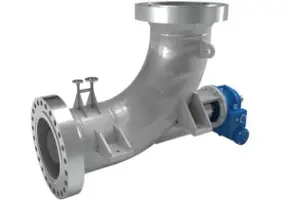
In January 2016, Sulzer completed the acquisition of the Ensival Moret pump business and brand from the Moret Industries Group