








The IEA has once again revised down its oil demand and supply forecasts, as the stalemate in resolving the conflict in the Middle East and renewed attacks in both the Gulf and the Red Sea’s Bab el-Mandeb choke point continue to disrupt oil flows
World oil supply is now projected to average 100.7mn bpd in 2026, down 5.7mn bpd y-o-y, compared with the 4.3mn bpd forecast by the IEA a month ago, with a normalisation of supplies from Middle East producers now not expected until 2027.
Global oil production fell by 1.6mn bpd to 100.1mn bpd in August, as more than 10mn bpd of Gulf output remained shut in. Global oil stocks fell by 3.1mn bpd in August, leaving inventories at their lowest levels since 2023. Tanker costs were also up sharply, reflecting rising security risks and strong demand for ships.
OPEC+ crude production declined by 1.5mn bpd to 33.1mn bpd in August, as losses in Saudi Arabia and Iran outweighed a 980,000 bpd gain from Iraq. However output from some non-OPEC+ producers grew, particularly from the Americas.
Flows through the Strait of Hormuz averaged only 7.6mn bpd in August, 13.1mn bpd below pre-war levels, with cumulative export losses from the waterway approaching 2.8bn barrels.
Saudi Arabia hard hit
Saudi Arabia was particularly hard hit, seeing crude supply falling 2.3mn bpd to 6mn bpd in August, the lowest level in more than three decades, after Houthi-linked attacks on vessels and refineries, while Iran-backed militias in Iraq attacked the Abqaiq processing complex with drone strikes. Saudi Arabia has recently announced that the East-West pipeline has been shut as a precautionary measure, following drone attacks launched from Iraq. It is not known how long it will be until it is operational again. This could lead to a further squeeze on supply, given that the Kingdom had been able to reroute oil exports through the pipeline, which has a 7mn bpd capacity, to avoid the Strait of Hormuz.
Crude oil prices surged in September to their highest level since May, touching US$110 a barrel as hopes for a diplomatic solution to the crisis faded amid renewed attacks. After settling back slightly prices rose again following the attack on the Saudi East-West pipeline. Refined products prices have risen even more sharply, with fuels such as diesel reaching record highs, as both the Middle East conflict and Russia/Ukraine war damages oil refineries. Net diesel and gasoil exports from the Gulf and Russia were 1.6mn barrels a day lower in August than before the Middle East conflict.
Falling oil demand
Oil demand is also falling more than expected, partly due to sharp losses of petrochemical feedstocks and refined product supplies as well as record fuel prices, particularly for diesel, which are forcing consumers to cut their usage.
World oil demand will drop by 2.5mn bpd this year, the IEA predicted, more than its previous forecast of a 1.6mn bpd decline. (This is in contrast to OPEC, which still expects world oil demand to grow this year by 380,000 bpd). China has seen the biggest reduction, with oil imports, refinery activity and product deliveries significantly reduced. Demand reductions have also risen elsewhere, particularly in the Middle East as petrochemical operations and aviation have been impacted. With supplies still constrained, and commercial inventory buffers rapidly depleting, further demand reductions may be required in the coming months to close the gap, the IEA says.
Both the IEA and OPEC expect demand to rise next year; the IEA forecasts demand to rise by 2.6mn bpd in 2027 while OPEC forecasts a rise of 2.36mn bpd.
"Inventories have so far played a crucial role in balancing the market," the IEA said.
"With buffers shrinking and the global refining system stretched to the limit, the need for progress in resolving the conflict in the Middle East – and the Russia-Ukraine war, which is now in its fifth year – is greater than ever to avoid further market tightening."
IEA once again revises down oil supply and demand forecasts
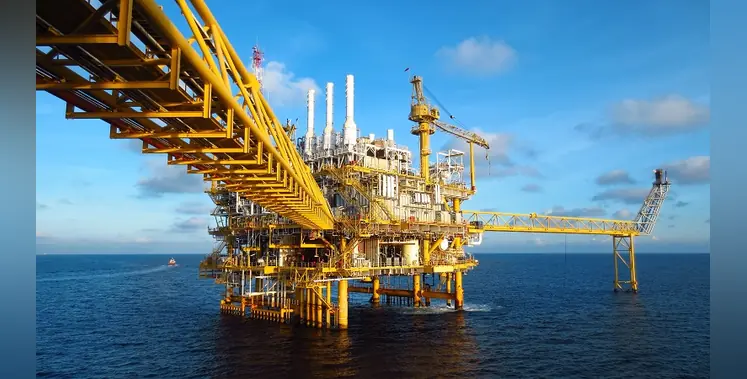
The IEA does not expect a recovery in supplies from the Gulf until next year. (Image source: Adobe Stock)