









The IEA has revised down both its oil supply and demand forecasts as renewed hostilities and Strait of Hormuz disruption have derailed the hoped for recovery in the oil markets
In its August Oil Market report, the IEA forecasts that world oil demand will decline by 1.6mn bpd in 2026, 510,000 bpd more than its previous forecast, thanks to the closure of the Strait of Hormuz and continuing high oil prices, although it predicts a return to growth in Q4 2026 and 2027.
Global oil supply rose by 2.4mn bpd to 101.5mn bpd in July, but remained 6.3mn bpd below levels of a year ago, with 8.3mn bpd of Gulf output still shut in. After increasing by 3.7mn bpd in June, Gulf oil production rose by a further 2.5 mn bpd in July to 23.9mn bpd, still 8.3mn bpd below pre-war levels. Regional exports fell by 2.1mn bpd to 15 mn bpd after the Strait was effectively closed once again and tankers came under attack. With no end to hostilities in sight, the IEA now estimates global oil supply to fall by 4.3 mn bpd in 2026, to 102 mn bpd, as growth of 1.4 mn bpd from the Americas only partly offsets losses in the Middle East and Russia.
Refinery crude throughputs increased in July but remained nearly 5mn bpd below last year’s levels, with continued Middle East product export disruptions and attacks on Russian refineries reducing 3Q run estimates by a further 370,000 bpd. Global throughput is now predicted to decline by 2.5mn bpd in 2026 and rebound by 3.5mn bpd in 2027. Diesel, jet fuel and gasoline markets are tightened as reduced Gulf and Russian exports coincide with rising summer travel demand.
Global oil inventories fell in July by 69mn bbl, with renewed disruption to exports from the Gulf and Caspian Sea. Oil stocks now stand at just below 7.9 bbl bbl, down by 2.7mn bpd on average, for the first time since April 2025.
The global oil balance is now expected to show a deficit of 1.8 mn bpd in 3Q26, more than double the estimate of around 800,000 bpd in last month’s Oil Market Report.
“Although the market is projected to return to surplus towards the end of this year, risks remain substantial and the urgency of reopening the Strait has increased, as previously available inventory buffers are rapidly depleting,” the IEA warns.
IEA revises down its supply and demand forecasts
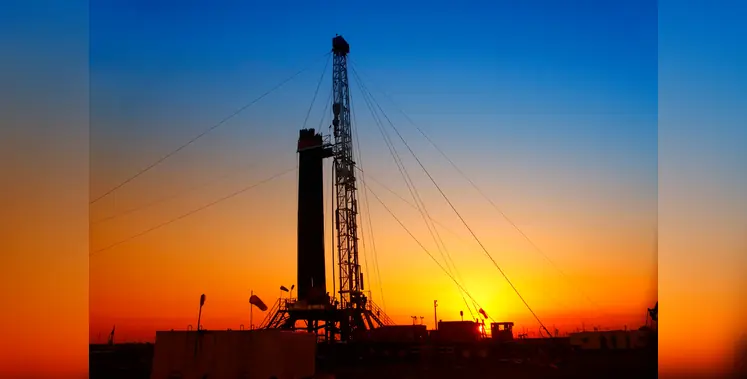
Continued disruption in the Strait of Hormuz continues to weigh on the oil markets. (Image source: Adobe Stock)