








Energy security is emerging as a leading driver of innovation, according to a new IEA report
More than 150 technology breakthroughs are identified in the IEA’s latest State of Energy Innovation report, which finds that the energy sector is increasingly becoming an innovation powerhouse, with around one in 10 patents worldwide relating to energy, underlining the sector’s central role in national security, industrial strategy and economic performance.
Innnovation highlights
Innovation highlights include solid-state air conditioning, perovskite solar cells, fusion energy, sodium-ion batteries and next-generation geothermal systems. These advances contributed to 50 upgrades in technology readiness levels among emerging energy technologies tracked by the IEA. Innovations mentioned in the MENA region include thyssenkrupp Uhde’s cutting-edge hydrogen recovery unit (HRU) at Fertiglobe’s Fertil plant in Ruwais, UAE, which enables advanced hydrogen recovery from the ammonia synthesis purge gas, allowing for increased feedstock utilisation and a 6% increase in ammonia output. Also highlighted is the partnership between ADNOC Gas, Baker Hughes, and Levidian to deploy Levidian’s patented LOOP technology at ADNOC’s Habshan Gas Processing Plant. This captures carbon from methane and turns it into graphene and hydrogen.
The report highlights the shift in policy towards energy security, ahead of affordability and emissions reduction, with new initiatives such as the US Genesis Mission and the EU Competitiveness Fund reflecting growing emphasis on strengthening domestic technological capabilities and securing critical supply chains.
However, markets for some clean energy technologies weakened, the report says. For example, project delays and cancellations reduced expectations for the deployment of low-emissions hydrogen this decade. The IEA’s renewables deployment forecast for 2030 was downgraded by 5% in 2025 in response to policy and regulatory changes. Several major first-of-a-kind energy technology projects under construction, in areas such as near-zero emissions steel and direct air capture, were hit with higher costs and policy uncertainty.
“Energy innovation has become a strategic priority for governments around the world,” said IEA executive director Fatih Birol. “With energy security and industrial competitiveness at the top of the agenda, countries that sustain investment in research, demonstration and early deployment will be best positioned to lead the next generation of energy technologies.”
Energy storage tops global innovation activity, with batteries accounting for 40% of all energy patenting in 2023. China, Korea, and Japan remain leading sources of lithium-ion battery patents, with China’s share rising sharply over the past decade. In solar innovation, patenting has shifted toward perovskite solar cells, which now account for over 70% of solar cell patents by material.
The report underscores the importance of public support for energy innovation, but notes a decline in public and corporate R&D in 2025 as well as a drop in venture capital investment in energy technology, with high interest rates, macroeconomic uncertainly and competition from artificial intelligence ventures impacting energy capital flows. In the corporate sector Aramco is highlighted as a major R&D spender, with annual average R&D spending of US$1,300mn from 2022-2024.
Nevertheless, new growth areas are emerging. Funding for fusion, nuclear fission, critical minerals, geothermal, carbon dioxide removal and low-emissions industry has grown significantly, offsetting much of the decline in electric mobility investment. The report also highlights regional approaches to energy innovation, with China for example continuing to expand its footprint across corporate R&D and patenting, particularly in energy storage and industrial efficiency.
With shifting policy priorities and financial cutbacks, the report stresses that sustained and well-targeted public support remains critical, highlighting the transformative benefits brought about by energy innovation. Successful energy innovations can have major economic and social outcomes, impacting industrial competitiveness, trade, environmental health, infrastructure investment and security, the report notes. Aligning energy innovation strategies with broader competitiveness and resilience goals will be essential, particularly where technologies can strengthen domestic supply chains or reduce strategic dependencies. Ensuring access to funding across all stages of development – especially as private capital becomes more selective – and reinforcing partnerships across research, industry and finance will be key to maintaining momentum.
Energy innovation focus shifts towards energy security: IEA
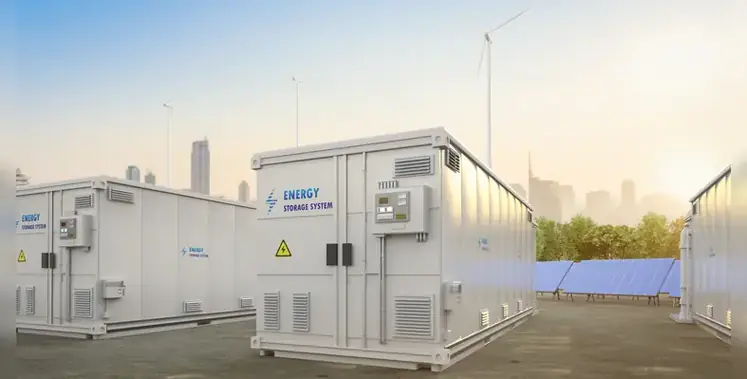
Energy storage has moved to the forefront of global innovation activity. (Image source: Adobe Stock)