







Baker Hughes has launched the Kantori autonomous well construction solution at its 26th Annual Meeting in Florence, Italy
The new unified digital service provides intelligent operations and streamlined workflows across every stage of the well construction process. It combines artificial intelligence and physics-based models with real-time data analytics to continually optimise performance and enable automation across planning, execution and monitoring activities. This supports rapid decision making with limited human intervention, reducing nonproductive time and variability during well construction operations.
Kantori supports the entire well construction life cycle, from connectivity and data integration to well planning and performance optimisation. From single wells to entire fields, the scalable solution can be adapted to customer needs. It integrates Corva real-time analytics and predictive intelligence.
“Autonomous drilling has opened new frontiers for our industry, replacing reactive operations with intelligent systems that can learn, adapt and optimize performance in real time,” said Amerino Gatti, executive vice president, Oilfield Services & Equipment at Baker Hughes. “This digitally driven approach, built on decades of drilling expertise and intelligent engineering, is making well construction smarter, safer and more predictable. Baker Hughes has set the standard in this field, and Kantori marks the next chapter of digital innovation in well construction.”
Kantori is part of Baker Hughes’ end-to-end portfolio of digital solutions, which also includes Leucipa automated field production solution and Cordant Asset Performance Management software.
At the Annual Meeting, Baker Hughes also announced the latest release of Cordant (Release 26.1), featuring expanded capabilities to help customers improve operational reliability, enhance performance consistency, and support sustainability initiatives. Cordant 26.1 enhances energy and industrial operators’ enterprise-wide visibility across assets, delivering improved access to decision-grade data, and empowering a broader range of users through an increasingly open, composable and scalable platform architecture.
Baker Hughes launches Kantori autonomous well construction solution
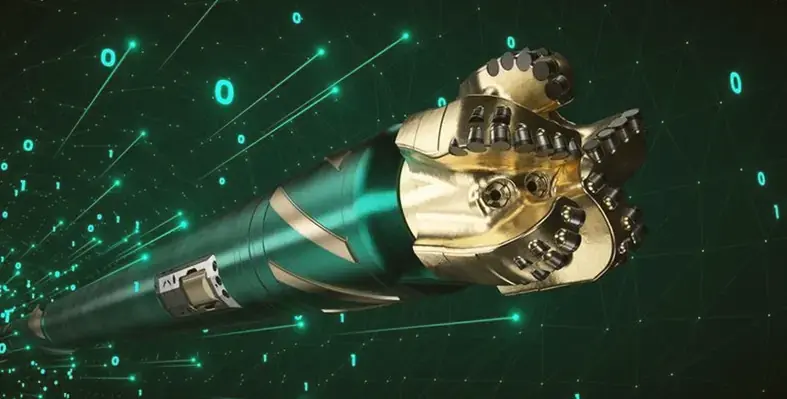
The new Kantori autonomous well control solution. (Image source: Baker Hughes)