







A wave of force majeure declarations has swept through the Middle East's energy sector this month as the ongoing US-Israel war with Iran disrupts production, shipping, and exports across the Gulf region, writes Sania Aziz.
The declarations, which relieve companies from contractual obligations due to unforeseen events beyond their control, stem from Iranian retaliatory attacks on facilities, threats to maritime routes, and the near-total blockage of the Strait of Hormuz, which is a vital chokepoint for one-fifth of global oil supplies.
QatarEnergy, the world's largest liquefied natural gas (LNG) exporter, was among the first to act. On 4 March, the state-owned firm declared force majeure on LNG shipments after halting production at key facilities in Ras Laffan and Mesaieed following Iranian drone strikes.
The company cited attacks on its infrastructure and the inability to operate safely, with sources indicating restarts could take weeks or longer to avoid equipment damage.
Qatar supplies around 20% of global LNG, and the move has sent shockwaves through Asian and European markets reliant on these deliveries.
Kuwait Petroleum Corporation (KPC) followed suit on 7 March, declaring force majeure on crude oil and product exports while slashing output.
The decision was prompted by explicit Iranian threats to shipping safety in the Strait of Hormuz, ongoing regional attacks, and a severe shortage of available vessels in the Gulf.
KPC, a major naphtha and jet fuel supplier to Asia and Europe, cited these factors as making normal operations impossible.
Bahrain's Bapco Energies joined the list today, 9 March, announcing force majeure on group operations after an Iranian strike set its Sitra refinery ablaze, which is the kingdom's sole refining complex.
The company assured that domestic supplies remain secure under contingency plans, but exports and broader activities are severely impacted by the conflict.
Aluminium Bahrain (Alba), operator of one of the region's largest smelters, declared force majeure earlier in March on shipments.
Unlike others, Alba stressed that its facilities remain undamaged; the issue lies solely in halted shipping through the Strait of Hormuz, preventing outbound metal deliveries despite continued production.
The ripple effects extend beyond Gulf producers. China's Wanhua Chemical declared force majeure on for supplies to Middle East customers, blaming severe regional shipping disruptions.
These developments have driven oil prices sharply higher and raised fears of prolonged supply shortages.
Analysts warn that further escalations could prompt additional declarations from Saudi Arabia, the UAE, and others as storage fills and export routes remain blocked.
The situation remains fluid, with global energy markets on high alert.
Gulf energy giants declare force majeure amid Middle East conflict
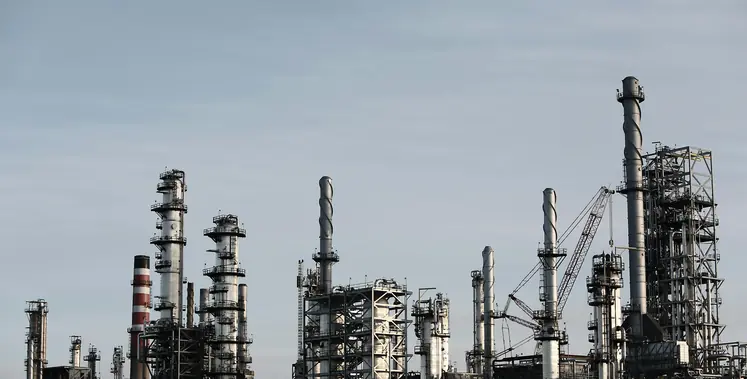
New developments have driven oil prices sharply higher