








At the Energy Intelligence Forum in London, where energy security and energy resilience was at the top of the agenda, Aramco’s CEO Amin H. Nasser underlined the critical importance of Middle East oil and gas supplies, the need for deeper resilience, and why energy resilience and energy security should be a shared responsibility between producers and consumers
The disruption to flows through the Strait of Hormuz has exposed how deeply energy security, economic security, and geopolitical events are connected, Nasser commented.
He noted that at the beginning of the crisis there were almost 10bn barrels of global oil stocks, since when nearly 3bn barrels of gross oil supply has been lost – around half the crude and products that would normally have moved through the Strait of Hormuz over the same period.
“Existing buffers have cushioned the blow and bought time, but they are finite. And while the squeeze on crude is serious, refined fuel prices have risen even more sharply.
“Emergency reserves might buy us a winter. They cannot fix long-term supply.
“Until Hormuz fully re-opens and confidence returns, the crude reality is that pressure at both ends of the barrel will intensify.”
Replenishing inventories while meeting demand could take up to two years, he added. The supply resilience cushion is “scarily thin.”
“The world has been reminded that no energy source, route, or system is risk-free. This crisis has raised the risk baseline. And that higher risk must be matched by deeper resilience, built across multiple layers.”
Deeper resilience
This is exemplified in Aramco’s resilience approach, which includes separating critical facilities; building in backup equipment; planning for maintenance; emergency command and firefighting excellence; rapid damage assessment; restoring damaged infrastructure at pace and investing in its people.
Reducing dependence on chokepoints is also important. Aramco is studying additional routes for crude exports, while exploring more overseas storage to help cover short-term disruptions.
Emphasising the critical importance of Middle East oil and gas supplies, Nasser highlighted the need to re-assess oil policies to ensure they remain aligned with the strategic goal of long-term energy security.
“Because energy security and resilience is a shared responsibility between producers and consumers,” he stressed. “This crisis is much more than an energy supply shock in Hormuz,” he added, citing the attacks on facilities and shipping.
“The international community must stand together to safeguard the free flow of energy and goods.”
Oil and gas infrastructure is a “collective necessity for producers and consumers alike,” he said, urging collaboration to minimise and adapt to shocks.
“We can collaborate on emergency response; better supply planning; refinery and petrochemicals flexibility; joint stockpiling; and long-term relationships. And stronger finances, supply chains, and cybersecurity are a must. “
Nasser concluded with a plea to “end the era of cyclical under-investment”, highlighting the integral importance of resilience.
“This crisis has finally exposed the false choice between energy security, affordability and sustainability.
“They are inseparable, and the future energy system must be built on all three. Middle East oil and gas remain central to that system for decades to come. Strengthening the resilience of these vital supplies is therefore a global strategic necessity."
Aramco CEO underlines need to strengthen oil and gas supply resilience
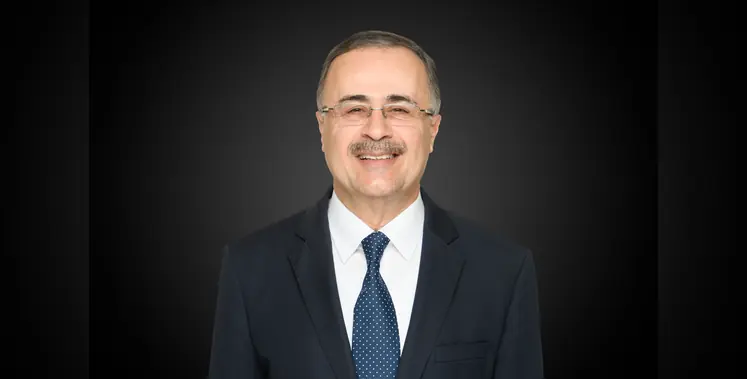
Amin. H. Nasser, president and CEO of Aramco. (Image source: Aramco)