








The conflict in the Middle East has disrupted global production and trade in hydrogen-based products such as fertilisers, fuels and industrial feedstocks, exposing vulnerabilities in supply chains, according to the latest edition of the IEA’s Global Hydrogen Review
The report finds that the crisis and the increased focus on energy security are renewing interest in hydrogen and hydrogen-based fuels, although low-emissions hydrogen remains at a relatively small scale.
Demand for hydrogen worldwide surpassed 100 million tonnes in 2025, according to the report, while production of low-emissions hydrogen grew by 20% to almost 1 million tonnes. However, persistent barriers including high costs, uncertain demand, complex regulations and a lack of infrastructure continue to slow the development of low-emissions hydrogen, putting 2030 targets announced by governments increasingly out of reach.
"The current crisis has highlighted how deeply economies around the world depend on trade in hydrogen-based products and the significant role of the Middle East in those supply chains," said IEA executive director Fatih Birol. "Countries are looking for ways to make their energy systems more resilient and diversified. Low-emissions hydrogen can play an important role in those efforts over time, but stronger policy support and much faster deployment will be needed before it can make a meaningful contribution at scale."
Fertiliser markets have been particularly affected by the conflict in the Middle East, which is home to around one-sixth of global hydrogen production, the majority dedicated to the production of chemicals, fertilisers and refined oil products. The region accounts for more than 10% of global refining capacity, ammonia and urea production, and close to 17% of methanol production.
The region makes up over one-quarter of global trade in ammonia, almost 40% of urea trade and almost 45% of methanol trade, and one-third of its refining capacity is export-oriented. The closure of the Strait of Hormuz has severely disrupted the supply of all these products. The production of hydrogen-based fuels outside the Middle East has also been affected, particularly in Asia, where countries are very dependent on natural gas imports from the Middle East.
Disruptions to production, exports and shipping routes have contributed to shortages and price volatility across global markets with the increase in fertiliser costs posing risks for food supply chains, especially in import-dependent agricultural economies.
Low-emissions hydrogen
Low-emissions hydrogen production grew by 20% in 2025 to reach almost 1 Mt and is set to exceed 1% of global hydrogen production for the first time, but progress is concentrated in a small number of projects. However investment momentum weakened in 2025, with delays to final investment decisions and a shrinking pipeline of projects highlighting the challenges facing the sector.
Despite continued policy support in some markets, low-emissions hydrogen and hydrogen-based products remain significantly more expensive than conventional alternatives in most markets. The pipeline of announced projects for producing low-emissions hydrogen by 2030 has shrunk by around a quarter since last year to 27 million tonnes due to delays and cancellations, and the number of projects likely to become operational by 2030 has fallen significantly.
Demand uncertainty remains a key constraint for scaling up low-emissions hydrogen development, with offtake agreements at low level. This is cited by developers as one of the largest barriers to investment.
IEA highlights impact of Middle East crisis on hydrogen supply chains
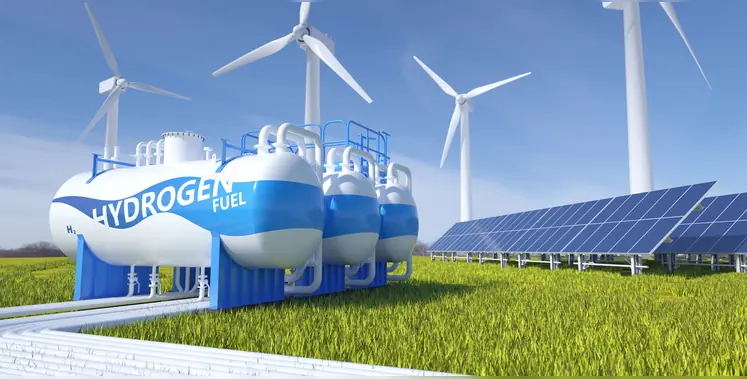
the crisis and the increased focus on energy security are renewing interest in hydrogen and hydrogen-based fuels. (Image source: Adobe Stock)