





cb.web.local

twitter linkedinfacebookacp contact us

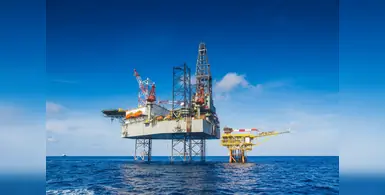
Geopolitics and supply chain are the main concerns for the oil and gas industry this year. (Image source: Adobe Stock)

Geopolitics and supply chain disruptions arising from the US/Iran conflict and the Strait of Hormuz blockade are the key themes impacting the oil and gas industry in 2026, according to GlobalData’s Strategic Intelligence report, “Top 20 Oil & Gas Themes - 2026”

The report identifies the top 20 themes that will impact the oil and gas industry in 2026, with geopolitics topping the list. It also notes that US tariffs might continue to weigh on the global economy, despite a slight easing of these worries in the recent past. It is therefore important for the industry to assess the impact of these macroeconomic themes while charting out their growth plans, says GlobalData, a leading intelligence and productivity platform.

Ravindra Puranik, Oil and Gas Analyst at GlobalData, commented, “The renewed conflict in the Middle East has led to a spike in oil and gas prices and has throttled maritime traffic through the Strait of Hormuz. This has severely disrupted energy supplies through the Persian Gulf, with oil prices spiking to around 44% above their pre-war levels in March 2026. Countries have reacted with a mix of emergency fiscal measures, supply rationing, and a pivot to alternative fuels. However, it remains unclear whether these efforts will be enough to meet energy needs, as it could take months to re-establish steady export volumes through this choke point.”

Although the US and Iran have recently reached a ceasefire, the failure to achieve a permanent end to this conflict will keep the region on edge. The severity of the impact will depend on the full extent of damage sustained to oil and gas facilities across the Middle East. It will likely prove an inflection point for key countries, starting with the Middle East itself, which has seen its energy exports drop and expat workers flee. Although the global economy is now relatively less dependent on Middle Eastern energy than in the past, it still contributes considerable volumes of crude oil, natural gas, and petroleum fuels to global markets.

Energy transition themes, such as renewable energy, hydrogen, carbon capture and storage (CCS), biofuels, and electric vehicles (EV) are also discussed in the report, as are core oil and gas themes, namely LNG  and shale that continue to feature prominently in the capital plans of top oil and gas companies. Lastly. the report also highlights disruptive tech themes, such as artificial intelligence (AI), blockchain, cybersecurity, the Internet of Things (IoT), and robotics.

The integration of automation, AI, digital systems and data-driven workflows will further strengthen safe and consistent delivery at scale. (Image source: Adobe Stock)

ADNOC Drilling has grown its regional footprint with the acquisition of an 80% stake of MB Petroleum Services (MBPS), a drilling and oilfield services joint venture with MB Holding Company, with operations in Oman, Kuwait, Saudi Arabia and Bahrain

The acquired portfolio comprises 22 drilling and workover rigs, production service units, along with pre-qualifications, subsidiaries and an established presence across four key Gulf geographies. The joint venture increases ADNOC Drilling’s regional rig count through its joint ventures to 30 across Oman, Kuwait and Bahrain, bringing total fleet to 170 rigs, making it one of the leading fleets in MENA and globally.

The acquisition builds on MBPS’ strong operational track record, with 2025 performance demonstrating strong execution and discipline aligned with ADNOC Drilling’s approach to safety, efficiency and cost control. Valued at US$204mn, the JV is expected to be earnings, cash flow and returns accretive.

Abdulla Ateya Al Messabi, ADNOC Drilling CEO and MBPS chairman, said, 'The completion of MBPS strengthens ADNOC Drilling’s long-term regional capability by adding established operating scale and deep field execution capability in the region. By combining the established operating presence of MBPS with our scale, systems and technology-led approach, we are building a durable platform for delivery across the GCC.” He added that the integration of automation, AI, digital systems and data-driven workflows will further strengthen safe and consistent delivery at scale.

Dr. Salim Al Harthy, MBPS CEO, said the acquisition marks a “transformational milestone” for MBPS. “By combining our regional operational expertise with the strength and scale of ADNOC Drilling, we are creating a stronger platform to expand across the MENA region, enhance our capabilities, and deliver greater value to our customers. Most importantly, we remain committed to our people, our clients, and the operational excellence that has defined MBPS over the years.”

The transaction reflects ADNOC Drilling’s disciplined M&A strategy, focused on acquiring high quality platforms with strong fundamentals and long term visibility of activity. ADNOC Drilling also recently acquired SLB’s onshore rig business in Oman and Kuwait.

MBPS’ performance in the first quarter of 2026 has exceeded expectations, according to ADNOC Drilling, with strong outperformance on free cash flow (over 20%) and net income (over 40%). In January 2026, MBPS secured contract awards for four additional rigs with deployment expected from the second half of 2026 into the first half of 2027, including three in Kuwait and one in Oman. These reinforce the platform’s growth trajectory and strengthening long-term activity visibility across core Gulf geographies.

The Ministry of Foreign Affairs UAE has issued condemnation of a drone attack targeting a vessel linked to ADNOC as it transited through the Strait of Hormuz, warning of escalating risks to regional stability and global energy security.

The incident took place on Monday, 4 May 2026. 

According to a statement released by the ministry, two drones from Iran were used in the incident, which struck a national carrier affiliated with ADNOC.

No injuries were reported.

In its statement, the UAE called for an immediate halt to what it described as unprovoked attacks, urging Iran to de-escalate tensions and ensure the safe passage of vessels through the Strait of Hormuz.

The ministry stressed the need for the full and unconditional reopening of the waterway, which remains one of the world’s most critical energy transit routes, to maintain stability in global markets.

The investments were announced at the ‘Make it With ADNOC’ Forum. (Image source: ADNOC)

The Abu Dhabi national Oil Company has announced investments worth US$55bn in new project awards for 2026-2028, in line with the state-owned oil company's five-year capital expenditure (CAPEX) plan to meet growing global energy demand

This was announced at the ‘Make it With ADNOC’ Forum that fostered connection opportunities for local manufacturers with global engineering, procurement and construction (EPC) contractors. This was part of ‘Local+’ initiative under ADNOC’s In-Country Value (ICV) programme that prioritises Made in the Emirates products as first-choice across ADNOC’s project delivery.

Sultan Ahmed Al Jaber, UAE Minister of Industry and Advanced Technology and ADNOC Managing Director and Group CEO, said, “In line with the directives of the UAE Leadership to advance the UAE’s energy and industrial sectors, ADNOC is entering a defining execution phase in its strategy, driven by scale, pace and a laser-focus on delivery. This marks a new chapter of growth and resilience to meet rising global energy demand while strengthening and expanding the UAE’s industrial and manufacturing base.

“As we deliver on this phase of growth, we are bringing together leading EPC contractors with 70 top UAE manufacturers to enhance accountability, maximize in country value and ensure Made in the Emirates products are first-choice across our projects, and are at the core of how we procure, build and execute. We invite partners who can move at the pace of the UAE’s ambitions, match flawless execution with rock-steady reliability and demonstrate an unwavering focus on local value creation to join us in this new chapter of our journey.”

The event was held on the eve of Make it in the Emirates 2026, which is set to take place from 4 to 7 May, at ADNEC in Abu Dhabi. It is hosted by the UAE’s Ministry of Industry and Advanced Technology and co-hosted by the UAE Ministry of Culture, the Abu Dhabi Investment Office and ADNOC.

The oilfield services companies have been impacted by the Middle East crisis. (Image source: Adobe Stock)

The quarterly results issued by the leading oilfield services companies have highlighted the impact of the Middle East conflict on their revenues and operations

Halliburton recorded Middle East/Asia revenue in the first quarter of US$1.3bn, a decrease of 13% year over year, attributed to lower activity across multiple product service lines in Saudi Arabia and decreased drilling-related services in Qatar, although it saw higher completion tool sales and improved fluid services in Asia. The drop was seen in both the completion and production and drilling and evaluation divisions, with lower completion tools sales, decreased pressure pumping services and multiple drilling and evaluation product service lines.

Halliburton’s total revenue for the first quarter of 2026 was US$5.4bn, flat when compared to the first quarter of 2025, although net income was US$461mn compared with US$240mn in first quarter of 2025.

Jeff Miller, chairman, president and CEO said, “In international markets, our performance around the world outpaced disruptions from the Middle East conflict.”

SLB also reported a challenging start to the year as widespread disruptions in the Middle East impacted its business.

“The impact was most pronounced in Well Construction and Reservoir Performance, as SLB demobilised operations in a number of countries in response to customer actions to safeguard personnel and facilities,” said SLB chief executive officer Olivier Le Peuch.

First-quarter revenue of US$8.72bn increased 3% year on year with growth across North America both on land and offshore, Latin America, Europe & Africa, and Asia. These results reflect activity from the acquired ChampionX businesses, which contributed US$838mn of revenue, consisting of US$579mn in North America and US$231mn in the international markets. Excluding the impact of this acquisition, first-quarter 2026 revenue decreased 7% year on year.

Revenue in the Middle East & Asia of US$2.69bn decreased 13% year on year, reflecting the combined effect of lower activity and disruptions related to the conflict. These disruptions occurred in Qatar due to the declaration of force majeure and in Iraq and offshore operations across the region due to production shut-in constraints and security conditions.

Both the well construction and production systems divisions revenues saw decreases due to the conflict.

Baker Hughes recorded revenue of US$6.6bn, up 2% year on year, but saw Middle East / Asia oilfield services and equipment revenues down 19% year on year.

“Our exceptional first-quarter performance highlights the strength of our portfolio and the momentum we are building as we progress through Horizon 2(1). Despite significant disruptions in the Middle East, our teams executed at a high level and delivered results that exceeded our guidance range. Although we recognize this achievement, we continue to prioritise the safety and wellbeing of our employees and their families in the region," said Lorenzo Simonelli, Baker Hughes chairman and chief executive officer.

“Both OFSE and IET delivered strong results amid Middle East disruptions, underscoring the versatility and durability of the portfolios."

Girish Saligram, Weatherford’s president and chief executive officer, also notes the “complex and challenged environment” in the first quarter.

“With significant operational disruptions in the Middle East, we stayed focused on what matters the most - protecting our employees, maintaining continuity of operations for our customers, and controlling the variables we could. While we faced losses in revenue and increased costs due to the Iran conflict, we were able to offset the impact of those through additional contributions from other parts of the business,” he said.

The company’s second quarter results are likely to be softer than anticipated due to the time it is likely to take for activity levels to normalise, logistics to stabilise and incremental costs to come down, with performance dependent on the timing of these factors, he said.

More Articles …